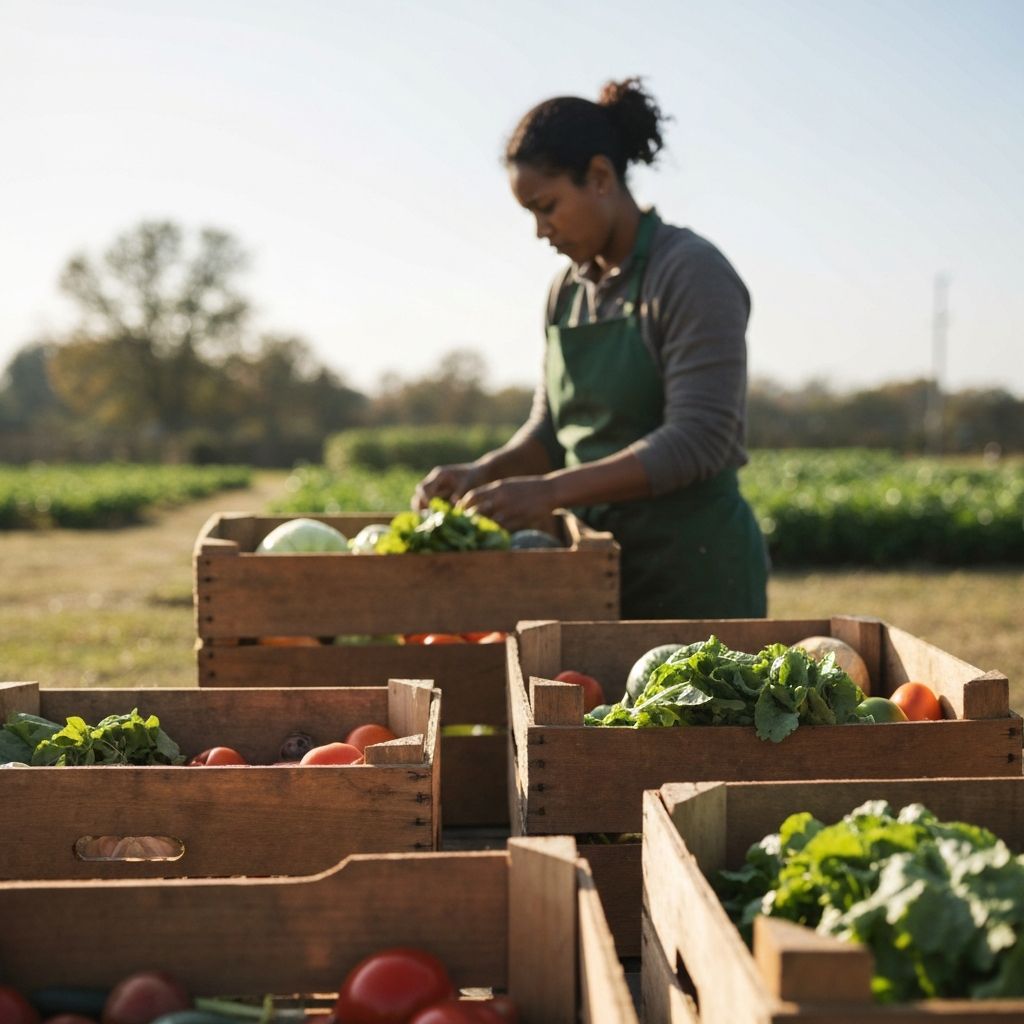
Farm Stress: Tools for the Season You're In

Watch the full Farm Stress Workshop with the Purdue Extension team
Farming isn't just a job—it's an identity. Your work is deeply tied to your land, your family, and your future. That's exactly why farm stress hits differently. When financial pressure, weather uncertainty, and endless decision-making converge, stress doesn't just affect your mood. It impacts your sleep, your relationships, your decision-making, and ultimately, your farm's success.
We sat down with the team at Purdue University Extension to talk about what farm stress really looks like, why farmers are uniquely vulnerable to it, and what you can actually do about it—whether you're in peak season or in between.
How to Spot Farm Stress Early
Stress doesn't announce itself with a headline. It creeps in quietly, often masquerading as normal farm life. But there are signs—and catching them early makes all the difference.
The Early Warning Signs
- Irritability and emotional blunting: You snap at family or staff over small things, or feel emotionally numb
- Decision fatigue: Simple choices feel overwhelming; your brain feels foggy
- Sleep disruption: You lie awake worrying, or wake exhausted even after "sleeping"
- Conflict at home or work: More arguments, less patience, tension that wasn't there before
- Physical signs: Headaches, muscle tension, stomach issues, or general aches
- Burnout sensations: A sense of futility, exhaustion that rest doesn't fix, cynicism about the farm
The key is noticing these patterns early. Your spouse, a trusted friend, or a family member might see them before you do. Asking them honestly—and listening to their answer—is a crucial first step.
Why Farm Stress Is Different
Farmers face pressures that most people don't. Understanding *why* your stress exists is the first step to managing it.
- Identity and work are inseparable: You don't just work a farm—you *are* a farmer. Failure feels personal in a way a job loss doesn't.
- The weight of responsibility: Weather, market prices, and production decisions fall directly on you. There's no CEO to blame; no board to diffuse accountability.
- Unpredictability is built in: You can plan perfectly and still lose a crop to drought, disease, or market collapse. That loss of control is unique to agriculture.
- Isolation is real: Farm work is often solitary. You spend hours or days with your thoughts—and with your worries—without peer support nearby.
- Financial pressure never stops: Equipment breaks down. Input costs rise. Market prices dip. The financial stress compounds year after year.
Recognizing these pressures isn't complaining—it's acknowledging the real landscape you're working in. That clarity helps you choose tools that actually address your situation.
Tools to Help Today
Stress management isn't one-size-fits-all. Different times of year call for different approaches. Here's what works:
During Peak Season (Intensity Mode)
During Off-Season (Recovery Mode)
Year-Round Foundations
Some tools work in any season:
- Physical movement: A 20-minute walk clears your head and regulates your nervous system. It doesn't have to be formal exercise.
- Honest conversations: Talking about stress isn't weakness. It's maintenance. Talk to your spouse, a counselor, a support group, or a trusted friend.
- Access professional resources when you need them: Therapy, financial counseling, agricultural extension advice—these are tools, not admissions of failure.
- Know your numbers: Many farmers carry financial stress because they're afraid to look at their books. Knowing the reality—even if it's hard—reduces the anxiety of the unknown.
Your Next Step
You don't have to manage farm stress alone. The Purdue Extension Farm Stress Team is there to help—with resources, strategies, and peer support specifically designed for farmers and rural communities. Whether you're in crisis mode or building preventive practices, reaching out is a sign of strength, not weakness.
Your farm needs you healthy. Your family needs you present. And you deserve to find some peace in the work you love.
Learn More From the Experts
Watch the full workshop with the Purdue University Extension Farm Stress Team to dive deeper into assessment tools, support resources, and real farmer stories.
Watch the WorkshopWant the Full Workshop?
This article is based on a free Farmhand workshop. Watch the complete session for deeper insights, downloadable resources, and practical tools you can use right away.
Watch the full Farm Stress Workshop with the Purdue Extension team →
Related Content
.jpg)


Get Content Like This Every Friday
Subscribe to our weekly newsletter to get farmer tips delivered to your inbox.