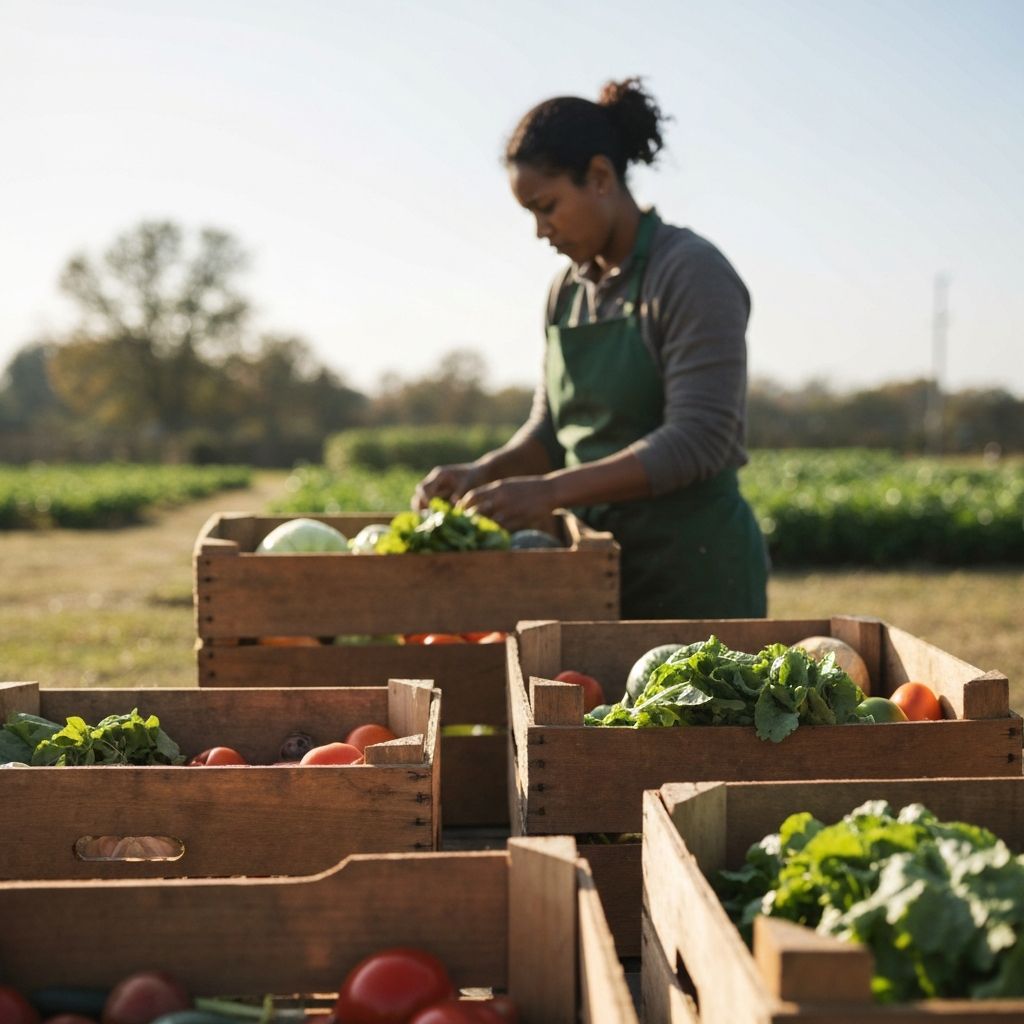
Just Post It: How Wissel Farms Turned Reels Into Real Sales

Wissel Farms posts on Instagram weekly. The videos take 15-30 minutes to film on a phone. They've never hired a production company. And they've turned these simple Reels into thousands of dollars in farm sales.
Here's their formula for making social media work for a farm business.
The Content That Actually Works
Wissel Farms posts one type of content consistently: short clips of real farm work.
Not polished, heavily edited videos. Real work.
- Harvesting lettuce (the messy, muddy version)
- Packing CSA boxes
- Farmers explaining why they're harvesting early or late
- Animals on the farm being animals
- Behind-the-scenes of a farmers market setup
- Quick tips on how to store produce
- A 30-second farm tour
Each video is 15-60 seconds. Shot on an iPhone. Sometimes the audio is wind or machinery. Sometimes it's the farmer talking while they work. The quality is intentionally authentic, not Hollywood.
This matters because authenticity is more engaging than perfection on social media. People follow farms because they want to see real farm work, not a brand film.
The Posting Consistency That Matters
Wissel Farms posts every Tuesday morning at 8 AM. That's it. One post per week. They don't post daily. They don't post irregularly.
Why Tuesday at 8 AM? They tested different times and days and found that their audience is most active then. You need to find your day and time.
The consistency is the real magic. Their followers know: every Tuesday, there's a new Reel from the farm. They show up expecting it.
Most farms fail at social media because they post sporadically—once a week for three weeks, then nothing for two months, then a flurry of posts. Algorithms don't reward that. Followers don't build that habit.
Weekly posting, same day, same time, forever. That's the minimum threshold for it to work.
The Call-to-Action That Works
Every Wissel Farms Reel ends with a simple call-to-action:
- "Join our CSA box. Link in bio."
- "See us at the farmers market Saturday."
- "Follow us for weekly farm updates."
- "Tag someone who'd love our veggies."
The call-to-action is always short and specific. It's not "let us know if you're interested." It's "join our CSA" or "buy at farmers market." A specific action.
And they rotate the call-to-action based on what's seasonal. During CSA season, it's "join our box." During farmers market season, it's "see us Saturday." They don't try to sell everything at once.
The Hashtag and Reach Strategy
Wissel Farms uses 8-10 hashtags per post. They use a mix of:
- Specific location hashtags: #LocalFarm #FarmersMarketMilwaukee #MilwaukeeCSA
- Industry hashtags: #LocalFood #FarmToTable #SustainableFarming
- Broader hashtags: #FarmLife #GardenTok
The location hashtags are most important. People searching for local food in their area will find you there. The broader hashtags help with algorithmic reach, but location is where your actual customers are.
What They Measure
Wissel Farms tracks three metrics:
- Engagement rate (likes, comments, shares divided by followers). They aim for 3%+ engagement per post.
- Clicks to their CSA or farmers market info. They use Instagram's link-click metric to see how many people tap the link in their bio.
- New CSA signups traced back to Instagram. They ask new members "where did you hear about us?" and track Instagram referrals.
Not all of their posts drive direct sales. But consistently, 10-15% of their new CSA members say "we follow you on Instagram." That's meaningful ROI for zero ad spend.
The 6-Month Reality Check
Wissel Farms didn't see real traction until month 4 of posting consistently. For three months, their Reels got 100-300 views and minimal engagement.
Around month 4, something shifted. Their posts started getting 1,000+ views. Engagement picked up. And new customers started showing up saying they'd been following their posts.
This matters because most farms quit before they get traction. They post for three weeks, see minimal engagement, and decide "social media doesn't work for farms."
It does work. But it requires at least 3-4 months of consistent posting before you see results.
How This Actually Drives Sales
The mechanics are straightforward:
- Consistent Instagram posts build followers over time
- Followers see you as trustworthy (you're the real farmers, not a brand)
- When they need produce, farmers market info, or CSA signup info, they click
- Some percentage convert to customers
- Those customers often become loyal (they've already seen your work online)
Wissel Farms estimates that 15% of their CSA members came in the last two years traced back to Instagram. For a 100-member CSA at $50/month, that's 15 members = $9,000/year in incremental revenue.
They spent nothing on ads. Just consistent phone-filmed content.
Why This Model Works for Farms
Most businesses can't use this approach. Farms can because:
- You have authentic work to film. Harvesting, packing, growing. That's genuine and interesting.
- Your customers want to know you. People who buy local want a relationship with their farmer. Instagram gives you that.
- Your content costs nothing. You're not paying for actors or production. You're just filming real work.
- Your audience is local. You don't need millions of followers. You need hundreds of engaged people in your area.
What Wissel Farms Learned
A few hard lessons from their experience:
- Don't ask people to tag friends excessively. Wissel Farms stopped doing this after realizing it felt spammy and actually reduced engagement.
- Don't post about things unrelated to the farm. A post about the farm's vacation to Hawaii flopped. Posts about farm work always perform better.
- Don't discount heavily to drive follows. When they offered discounts for followers, they got followers but not customers. The followers weren't the right audience.
- Keep it simple. The urge to get fancy (filters, effects, music) actually hurts engagement. Raw, real work performs best.
Your Next Step
If you want to try the Wissel Farms approach:
- Pick one platform (Instagram is best for farms currently)
- Choose a consistent posting day and time
- Film 4-5 short videos this week (phone only, no editing needed)
- Post one per week for the next 12 weeks
- Measure engagement and trace any new customers back to Instagram
- Adjust your content based on what drives the most engagement
By week 12, you'll know if social media is working for your farm. Most farms who stick with this approach find it does.
Related Content
.jpg)


Get Content Like This Every Friday
Subscribe to our weekly newsletter to get farmer tips delivered to your inbox.