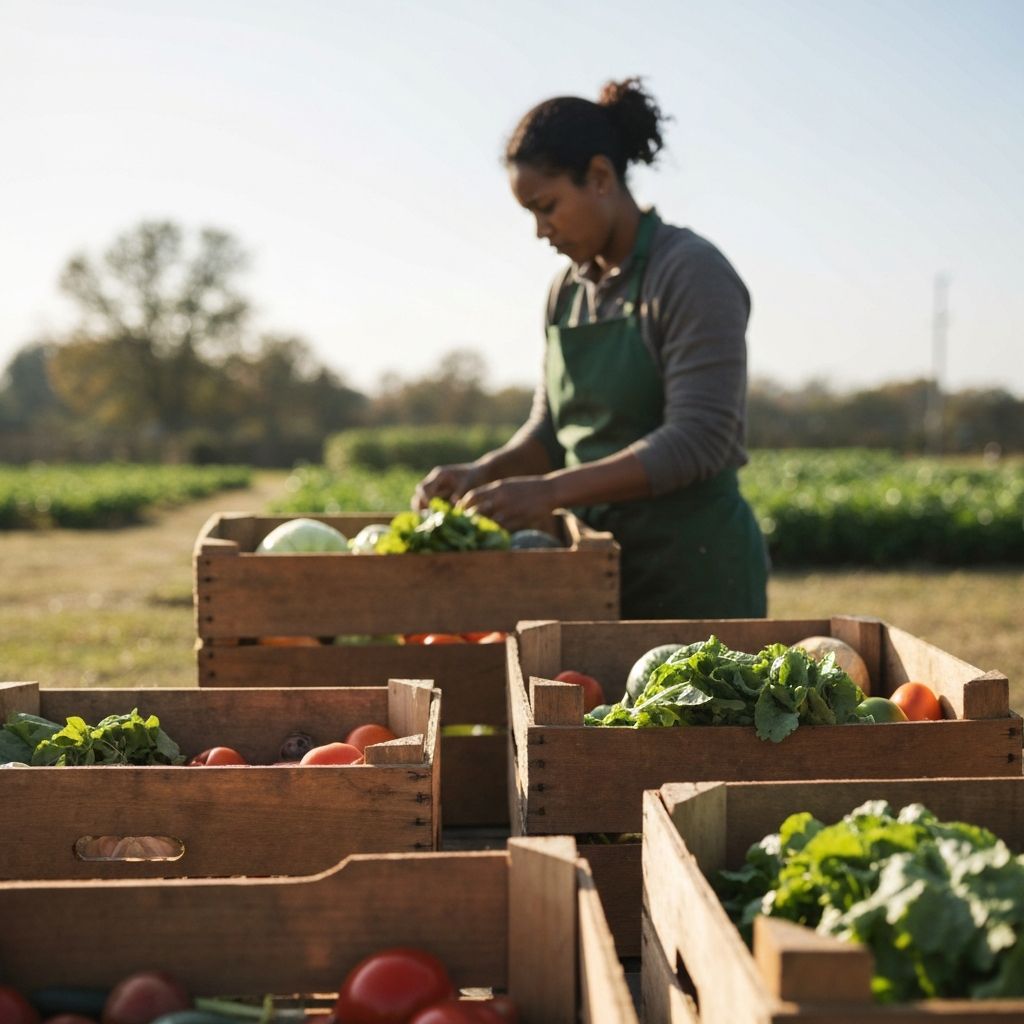
Market Wellness, Not Willpower: A Winter Messaging Guide

Winter is when farms disappear from member conversations.
Gym memberships spike (New Year's resolutions). Healthy eating feels obligatory and hard. And your farm produce, while in season, doesn't feel like it's answering the question members are asking.
Here's the problem: you're marketing winter vegetables. Members are actually looking for wellness.
Reframe the message, and winter becomes your strongest season.
What Members Actually Want in Winter
It's not kale. (Everyone has kale.)
It's:
- Comfort in a season of scarcity. Winter is dark and cold. Members want food that feels like home, like warmth, like care.
- Health without the guilt. January brings resolution guilt and gym pressure. Your food can offer health without the pressure.
- Connection to the real world. People want to know that growing food continues through winter. That life continues. That they're part of something real.
- Nostalgia and tradition. Root vegetables, storage crops, winter greens aren't trendy. They're traditional. That matters in winter.
The farms that thrive in winter don't market "kale." They market "nourishment" and "comfort" and "rootedness."
Messaging Strategy: Wellness Over Willpower
Don't say: "Loaded with vitamins and minerals." Say: "Winter roots: nourishing crops grown to sustain you through the season."
Don't say: "Healthy eating starts here." Say: "Food that feels like home. Root vegetables roasted warm, greens in slow-cooker broths, storage crops that taste like real winter."
Don't say: "Join our winter CSA for your New Year's resolution." Say: "Winter membership: stay connected to real food while everything else feels distant."
The reframe is subtle but profound. You're not selling health as obligation. You're selling nourishment, comfort, rootedness, and connection.
The Copy That Actually Works
Here's a winter CSA email that reframes the conversation:
Subject: "Winter's here. Let's slow down together."
Body:
"Winter changes things.
The season shifts. The pace slows. What felt urgent in summer feels quiet now.
At the farm, winter is when we slow down too. We tend the storage crops. We harvest root vegetables that have been getting sweeter all fall. We rest in the quiet and plan for spring.
Our winter CSA is different from summer. Smaller boxes (because that's what grows in winter). Heartier vegetables (roots, storage crops, winter greens). Recipes that ask you to slow down and cook: roasted roots, braised greens, soups that warm you from the inside.
Winter eating isn't about resolution or obligation. It's about nourishment. It's about knowing where your food comes from even when the fields look quiet. It's about staying connected to something real when everything else feels fast and fragmented.
Our winter boxes start [DATE].
If you want to slow down and stay connected, we're here.
[LINK TO WINTER SIGNUP]
[FARM NAME]"
This copy doesn't promise weight loss or "perfect health." It promises nourishment, connection, and slowness. That's what winter members actually want.
What Goes in Winter Boxes
To back up this messaging, your boxes need to feel intentional:
- Storage crops: Carrots, beets, potatoes, onions (these last and taste better as winter goes on)
- Winter greens: Kale, chard, spinach, arugula (marketed as "slow-cook greens," not "nutrient bombs")
- Root vegetables: Parsnips, turnips, radishes (these are seasonal and feel special)
- Seasonal surprises: Whatever is in season. Squash, microgreens, garlic, dried herbs.
Package boxes smaller than summer (because winter yields are lower). Price them lower. But market them as intentional, seasonal, nourishing.
The Newsletter Angle
Winter newsletters should shift tone:
Summer newsletter: "Here's what's in the box. Here's how to use it. See you Saturday!"
Winter newsletter: "Here's what's in the box. Here's a slow recipe. Here's what's happening on the farm right now. Here's what this food means for your winter."
Example:
"This week's box has beets, winter greens, and carrots from storage. Beets this time of year have been storing for three months; they're sweeter now than they were in fall. Roast them with garlic. Braise the greens in slow cooker with broth and those beets.
On the farm, we're between seasons. The fields are resting. We're tending the storage crops, planning spring, staying warm by the fire.
In winter, food connects us to the earth when the earth feels asleep. That's the whole point."
Pricing Winter Right
Winter boxes are smaller (lower harvest volume, shorter season). Price them accordingly.
Summer: Large box $35/week Winter: Small box $20/week
Don't try to charge summer prices for winter boxes. Members will resent you. Instead, market winter as an intentional choice for a different season.
Some farms create winter "memberships" instead of full CSAs:
- Winter membership: $20/week for a small seasonal box (10 weeks)
- Spring pre-order: Reserve your summer spot now
This positions winter as a special season, not a "lesser" season.
The Real Story
One farm struggled with winter enrollment. They were marketing "nutrient-dense root vegetables." Sound exciting? It's not.
They reframed:
"Winter Membership: Stay Connected to Real Food"
Copy focused on slowness, nourishment, seasonal eating, connection.
Boxes were smaller and cheaper. Recipes were slow and warm.
Winter enrollment jumped from 20 members to 65 members.
Why? Because they stopped marketing nutrients. They started marketing nourishment, which is psychological, emotional, and real.
Your Winter Messaging Checklist
If you're promoting winter CSA:
- ❌ Don't use words like "healthy," "nutrient-dense," "vitamin-packed"
- ❌ Don't compare yourself to summer
- ❌ Don't try to do full-size boxes (it won't work in winter)
- ❌ Don't ignore the season ("our greens are just as good in winter!" sounds defensive)
✅ Do use words like "nourishing," "seasonal," "rooted," "warming," "traditional"
✅ Do embrace winter. Celebrate storage crops. Tell the story of the season.
✅ Do offer smaller boxes at lower prices
✅ Do give recipes that feel slow and intentional
✅ Do connect food to the season and the land
Your Next Step
If winter enrollment is weak, reframe:
- Stop marketing "healthy." Start marketing "nourishing" and "seasonal."
- Right-size winter boxes for winter yields. Price them accordingly.
- Tell the story of winter on your farm. What actually happens? What grows? What does the season feel like?
- Give recipes that feel warm and slow and intentional, not quick and optimized.
- Invite people to "stay connected" rather than "get healthy."
Winter isn't your weak season. It's your opportunity to serve a different need. Nourishment instead of obligation. Connection instead of resolution. Slowness instead of optimization.
Market that, and winter becomes your strongest season.
Related Content
.jpg)


Get Content Like This Every Friday
Subscribe to our weekly newsletter to get farmer tips delivered to your inbox.