When Farmers Get Time Back, Soil and Communities Thrive
Modern farms face growing administrative demands — managing spreadsheets, coordinating pickups, chasing renewals, and keeping members informed. These stories show how simplifying off-farm work helps farmers reinvest time where it matters most: in the soil, in their communities, and in their own wellbeing.
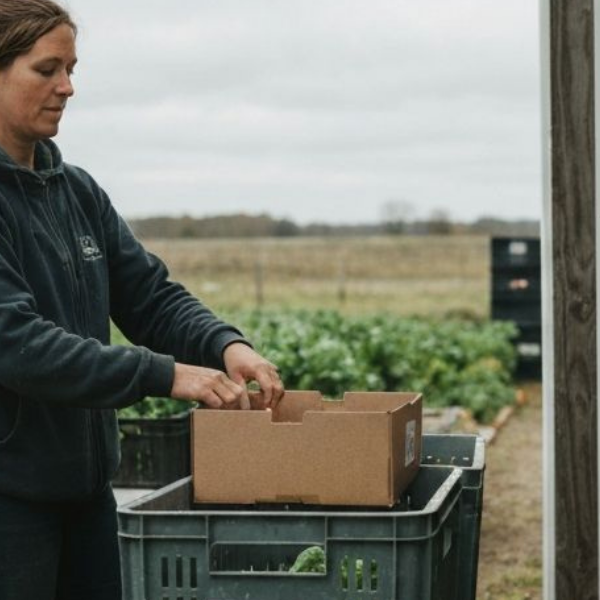
Securing Stability Before the Season Begins
At Stillman’s Farm, clearer communication and early commitments led to $90,000 in early renewals, tripling the previous year’s total.
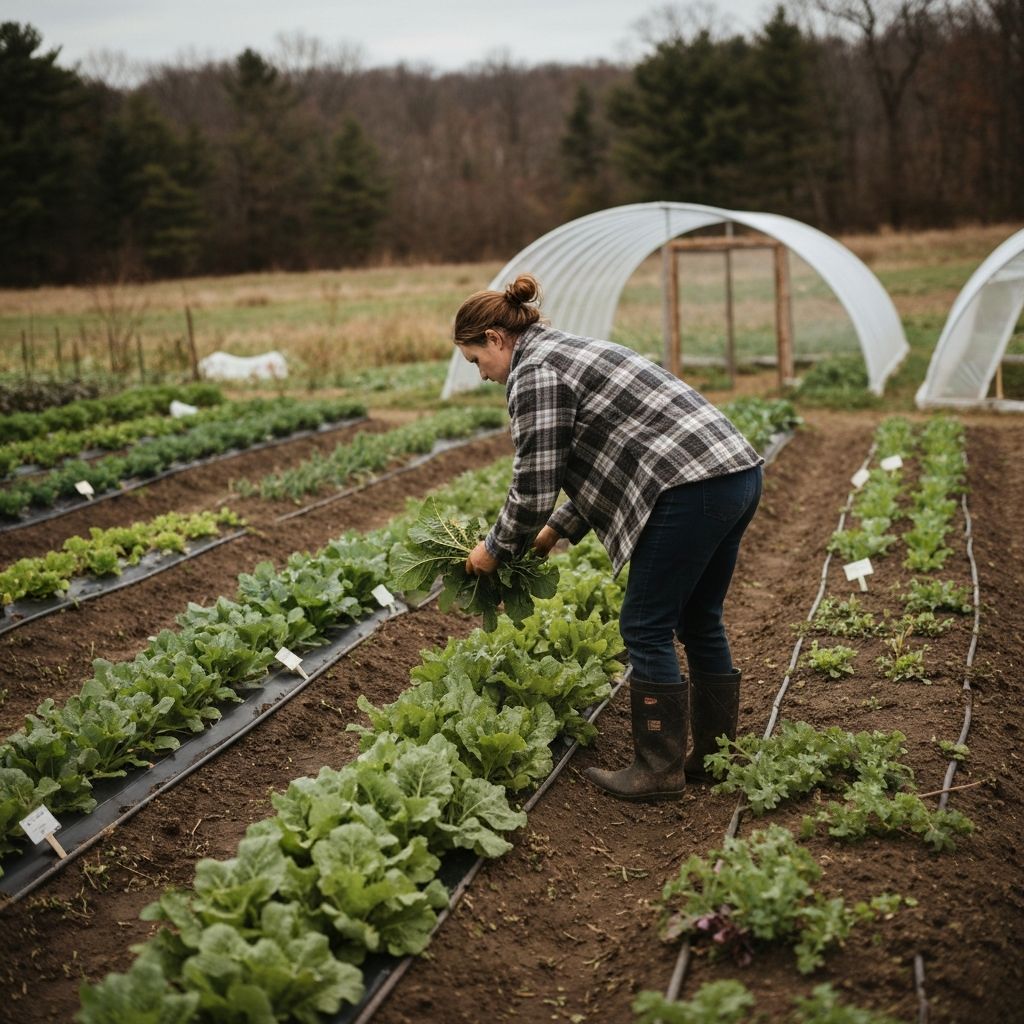
Keeping the Farm Running — Without Adding Staff
As administrative work pulled her away from the field, Aliza explored alternatives to hiring — creating space for maternity leave while the farm continued running smoothly.
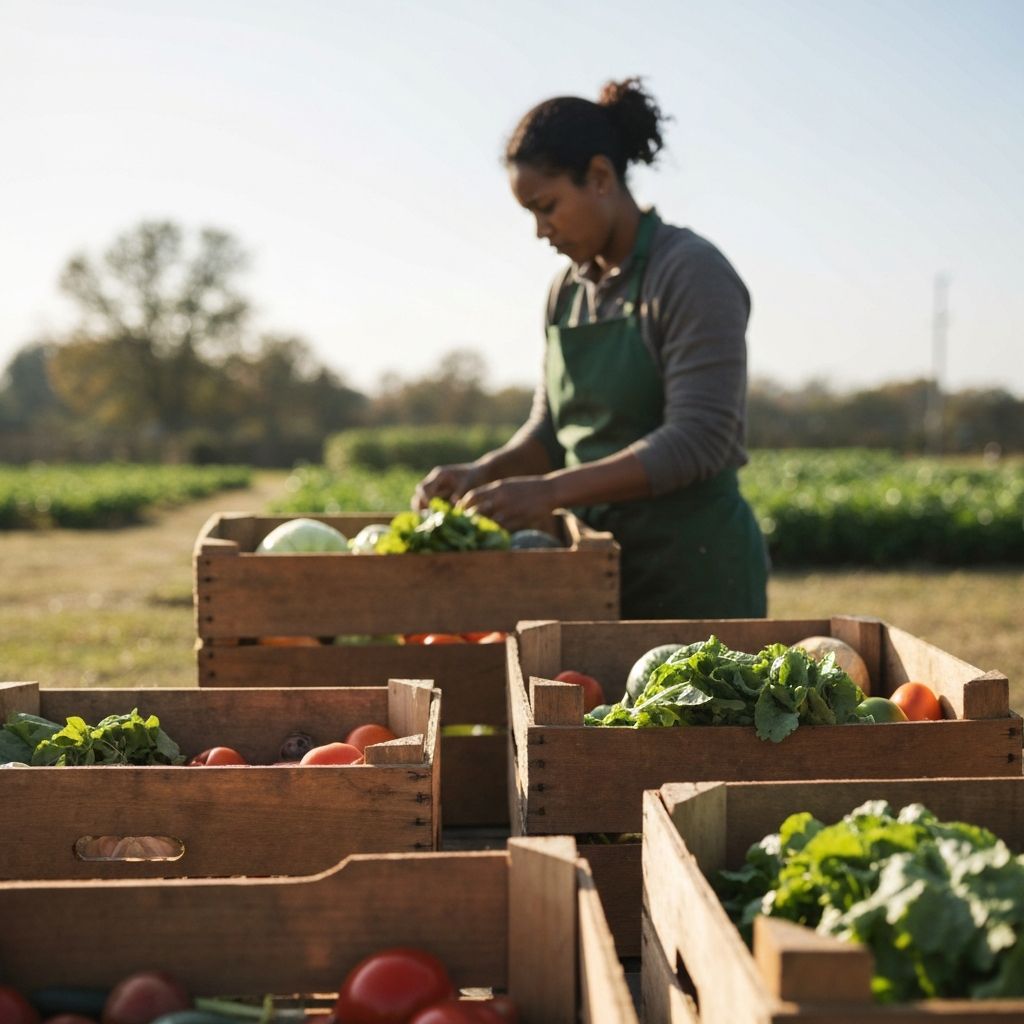
Making Space to Grow Member Relationships
At Deep Roots Farm, simplifying logistics created the clarity needed to grow the CSA from 60 to 200 members.

What Changed on These Farms — and Why It Matters
Across the Northeast, similar operational changes helped reduce administrative strain and create the time and stability needed for soil stewardship, long-term planning, and community connection.
Automate Communications
Simplifying order updates, alerts, and weekly messages.
Systematize Subscriptions
Reducing manual coordination around pickups and renewals.
Delegate Administrative Work
Putting clear systems in place instead of adding staff.
.png)
Deep Roots Farm
Upper Marlboro, MD
At Deep Roots Farm in Upper Marlboro, Maryland, Gale and her team simplified pickup logistics and member communication at a critical moment in the farm’s growth. Once systems were in place, the team was no longer consumed by coordination work.
“We could actually spend time building relationships with our members,” Gale shared.
That clarity also created space for Deep Roots’ regenerative approach to land stewardship — prioritizing topsoil regeneration, biodiversity, and holistic land management across the farm’s acreage. With more time and financial steadiness, the CSA grew from 60 to 200 members while remaining rooted in regenerative principles.
Read Gale's Story Here.

Stillman's Farm
New Braintree, MA
In Massachusetts, Stillman’s Farm offers a clear example of what happens when clarity and systems come together. The farmers paired a focused early CSA renewal effort with streamlined communication, giving members a simple and timely way to commit to the season ahead.
The result was $90,000 in early CSA renewals — three times the previous year’s total. Beyond the revenue, early commitments provided the stability and confidence needed to plan the season with intention, supporting Stillman’s long-standing commitment to soil health, biodiversity, and environmentally responsible growing practices.
Learn more about Stillman's Conscientiously Grown Practices.

The Day Dream Farmer
Gansevort, NY
At The Day Dream Farmer, Farmer Aliza reached a crossroads familiar to many small-scale farmers. She was spending more time managing member communication and logistics and began pricing out the cost of hiring an assistant. Instead, she stepped back to explore what delegating work outside of a traditional employee model could look like.
By simplifying how her CSA handled updates, orders, and fulfillment, Aliza was able to offload a significant portion of administrative work without adding staff. The shift freed up time for crop planning and member relationships — and critically, allowed her to take maternity leave while keeping the CSA running smoothly.
That reclaimed time also supported Aliza’s focus on connecting community health, small-scale farming, and the natural systems that sustain them, helping members better understand where their food comes from and why soil stewardship matters.
Read Aliza's story here.
Supporting Farms So Soil Stewardship Can Last
Farmhand supports the same goal at the heart of NOFA’s mission: helping farms remain viable so they can care for their soil and communities over the long term. By reducing administrative work and improving financial predictability, Farmhand helps make regenerative practices and long-term land stewardship more feasible.