More playbooks
All playbooksThe Friday playbook
One story a week from a working farm.
Read by 5,000+ farmers every Friday. No product pitch.
Ari Memar is Farmhand's founder. We asked him where AI belongs on a farm, and where it doesn't. Here's Ari, in his own words.
AI is a loaded word. Say it to a room of farmers and you'll get two reactions, with almost nothing in between. Half the room pictures robots taking over and remembers the last time they fought with a cable company's chat bot. The other half has started using it in their business and can't believe a 25-minute job now takes a few seconds.
My view is more specific than either camp. AI is a tool. Used well, it's amazing. Used carelessly, it does real damage. Anyone using it, including us, has to be intentional about it and know exactly how to apply it. I do think it will end up in nearly everything we do. That's exactly why it matters who's in charge of it.
You don't want the robots running the robots. You want humans running the robots.
Here's how we think about that at Farmhand, and why.
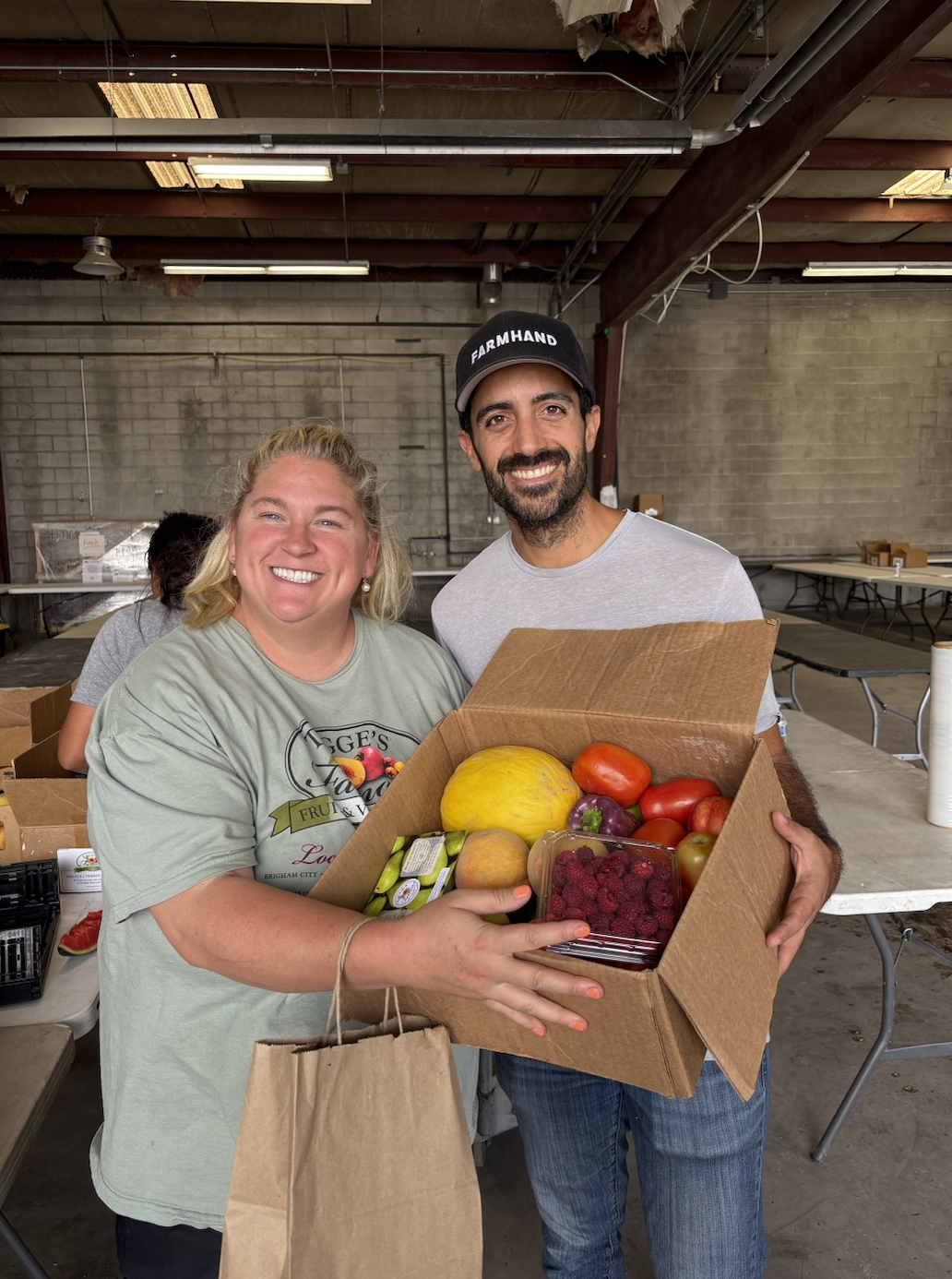
I'm a member of CSAs. I buy quarter and half animals. I drink local milk. I also grow: my family chose to move onto a farm and homestead, and we keep an orchard, mostly apples.
So I come at this from both sides of the table. I know the work it takes to grow real food, and I know what that food means to the family on the receiving end.
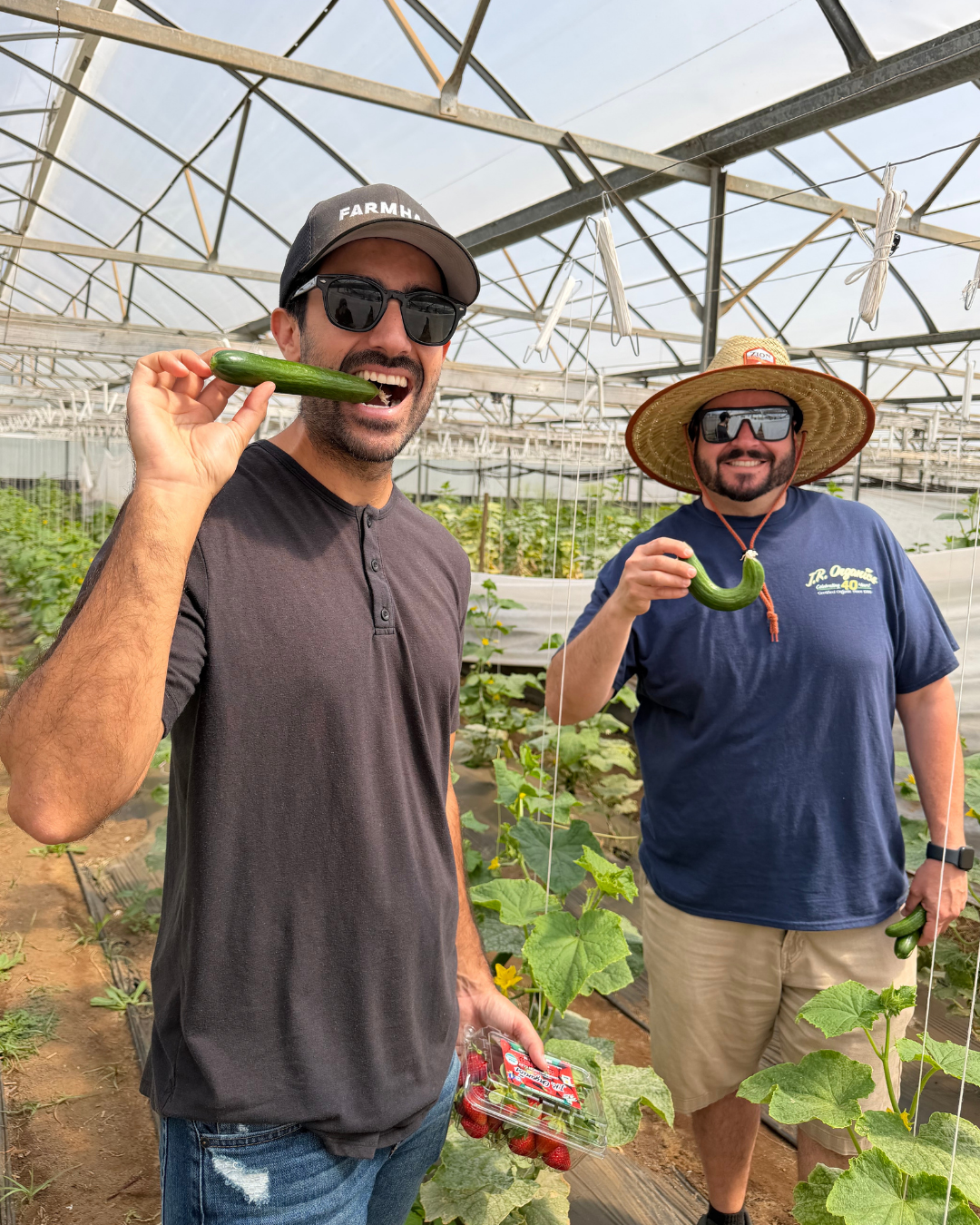
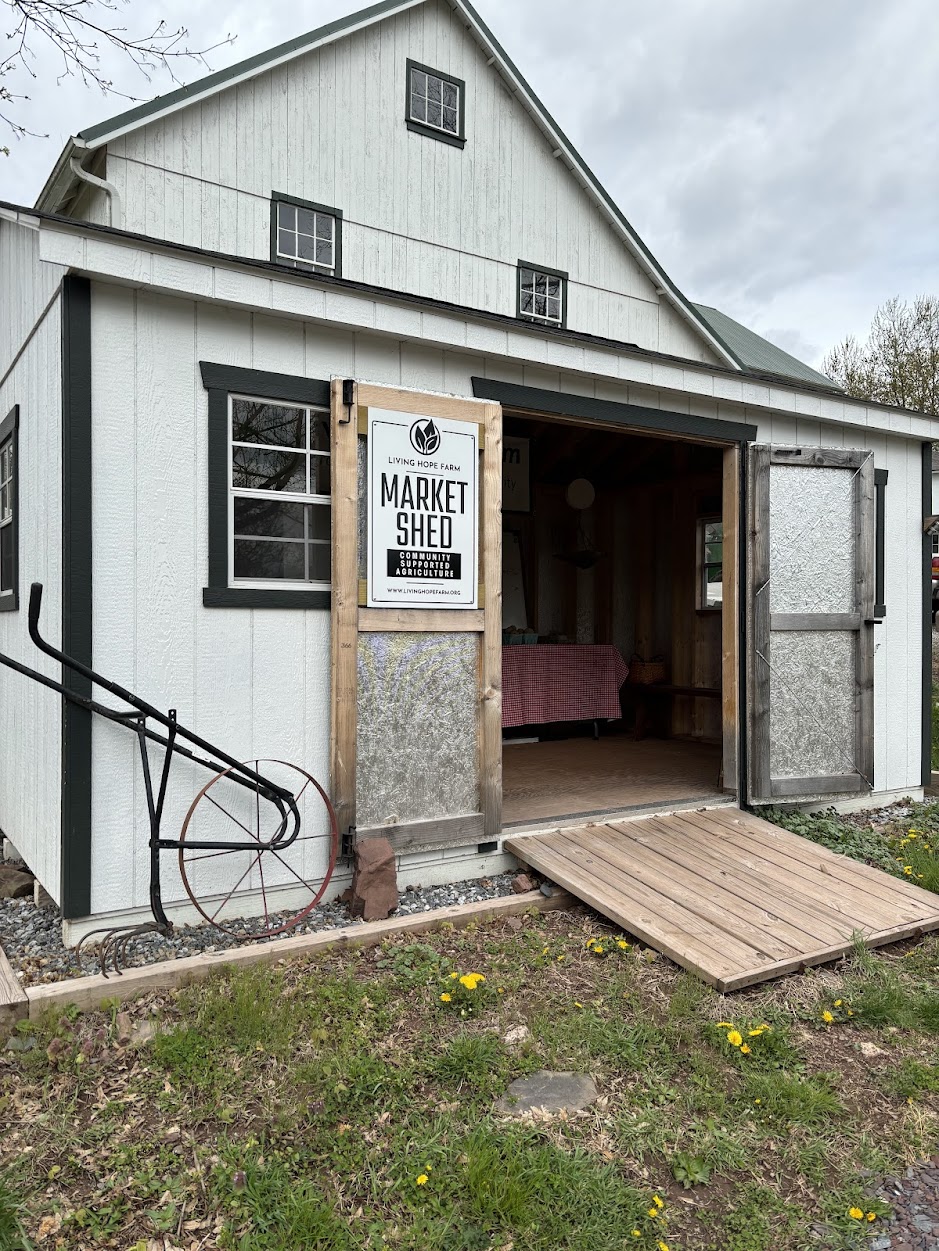
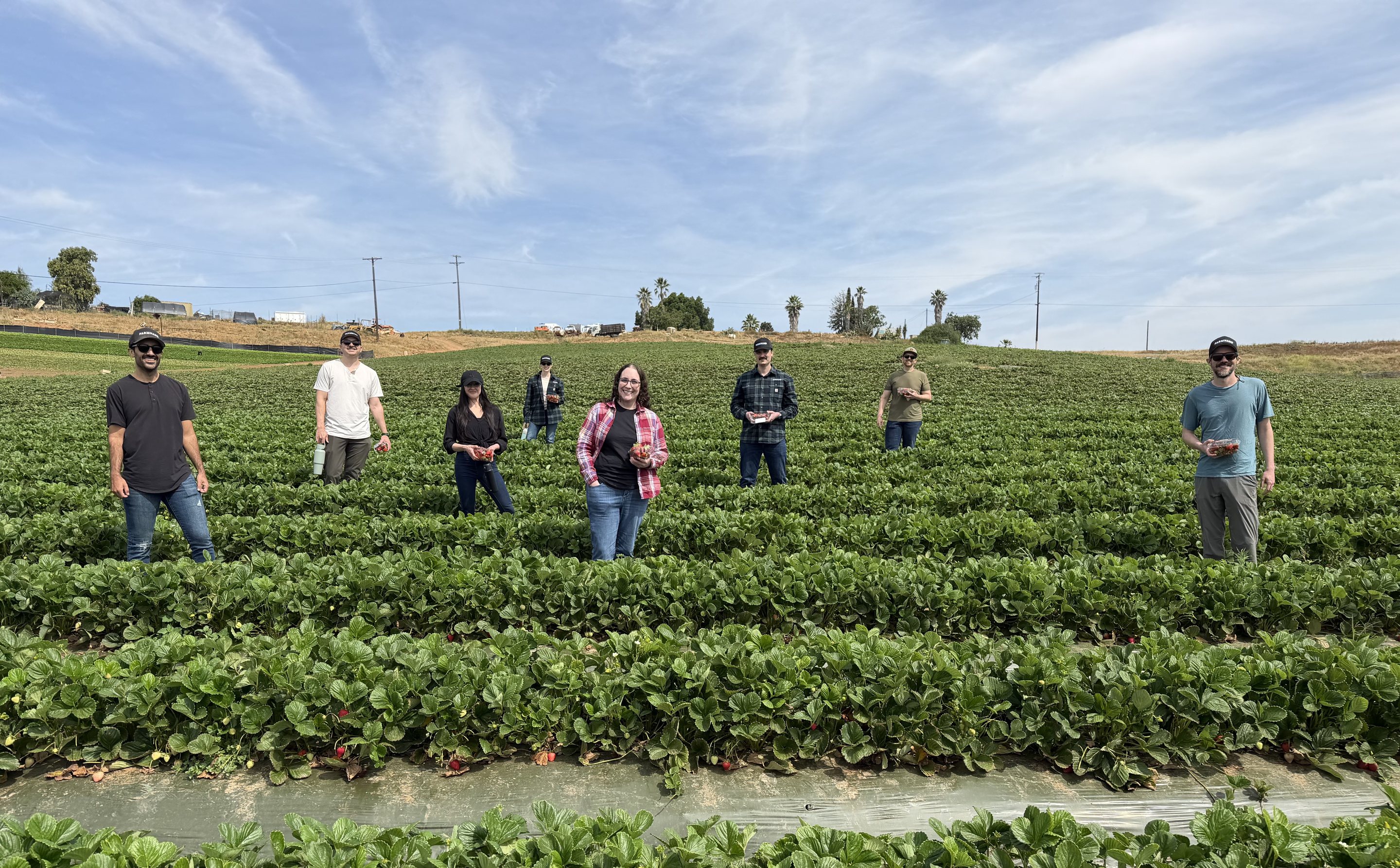
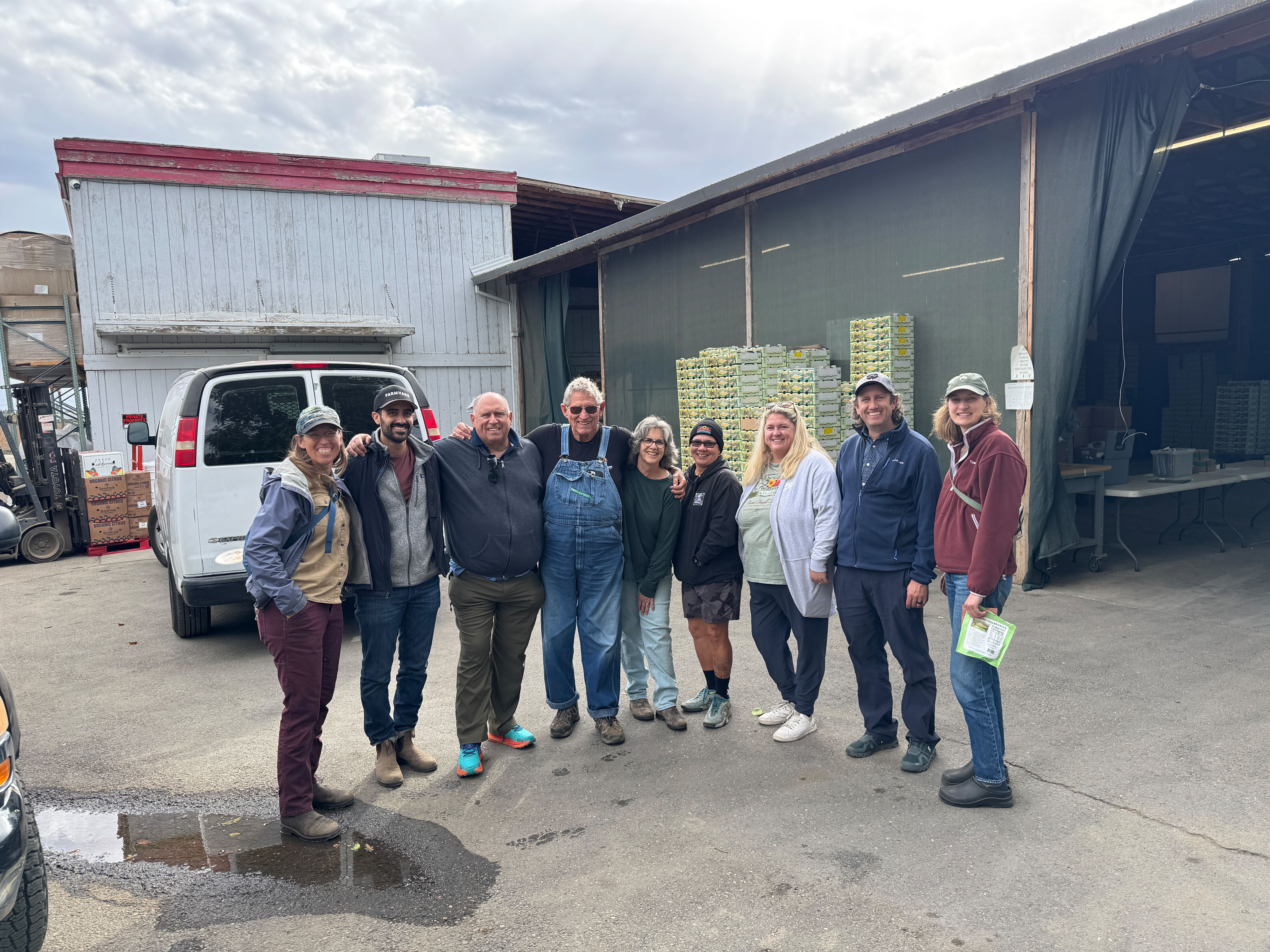
I visit a lot of farms. I have never once walked up and found the farmer behind a screen. They're out in the field with a to-do list that doesn't end, and the weather is setting the deadlines. Some crops have to come in by a certain date or they're lost. That pressure shows up every day, and it's how you end up headlamp farming: dark out, headlamp on, still working.
Plenty of farmers also hold down a second job, because farm income isn't enough, or doesn't arrive evenly enough, to cover the bills. They put in the day job or the weekend job, then farm on top of it.
That's the person every decision we make has to serve.
.png)
There are things AI won't be good at, and things we'd keep human even if it were. The biggest is relationships.
People buy direct from farms because they want to know who's on the other side of their food. The grocery store can't give them that. So the farmer's own content, the farmer's own voice, and the farmer's own answers when a customer asks a question are the heart of the business. Those stay with the farmer.
Now think about placing a hold on an account, adding an item to someone's order, or explaining a line on an invoice. Does the farmer need to do that personally? I don't think so. Their time is worth more spent building relationships, running production, managing their team, or being with their family and staying sane.
So every task gets the same question: is this relationship-building, or is it purely administrative? If it's administrative, that's where we want technology to carry the load.
The other thing that stays human is oversight: making sure the outcome you wanted is the outcome you got.
.png)
My own family is busy and technology-native, and we buy from farms. But the longer you look at who else buys from farms, the clearer it gets that there's no single customer. A lot of members are older. Some keep their calendar in a paper journal and don't trust anything electronic. What surprised me is how closely those groups share the same values, almost to a T.
That range shapes how we design. Anything we build has to work for the member who lives on their phone and the member who'd rather call.
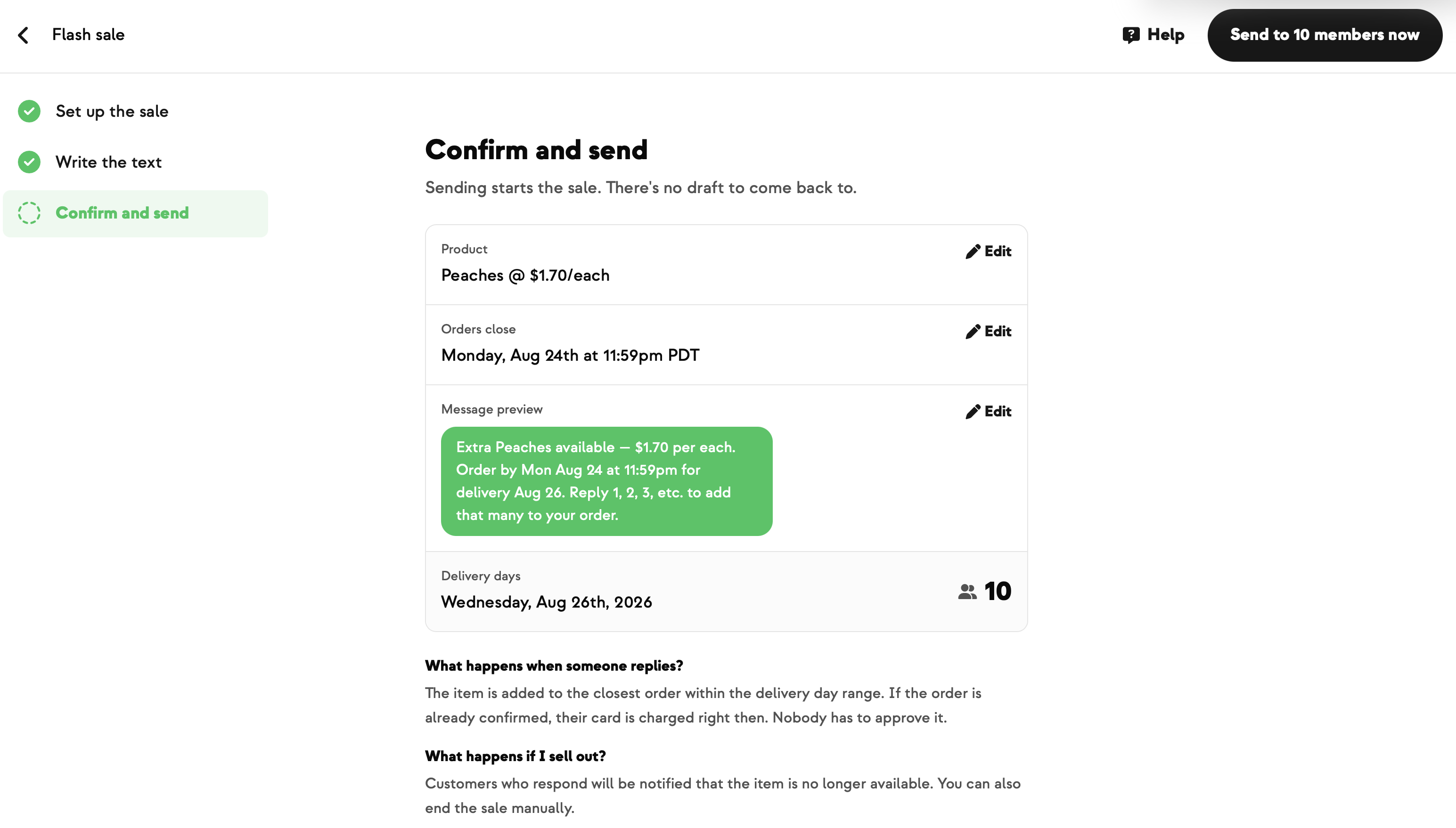
Because we work with so many farms and so many of their customers, we see patterns. Every operation is unique in some ways and similar in others. Across all of them, customers want to change their schedule, skip a week for vacation, or add something to their order.
We study what people are asking for, farmers and members alike, and catalog it until we're confident we understand what they're trying to do. Only then do we introduce an automation. Even then, a person on our team reviews what the system recommends, validates it, and takes the action. We keep watching until we've confirmed it answers correctly and makes the right changes, like editing an order, and we build guardrails so it does that safely and consistently. Only after that confidence is earned does the system run on its own.
I review that work personally, and so does my team, methodically and piece by piece. We expand automations one at a time rather than trying to cover everything at once. Sometimes we have to improve the underlying system before an automation is even worth attempting.
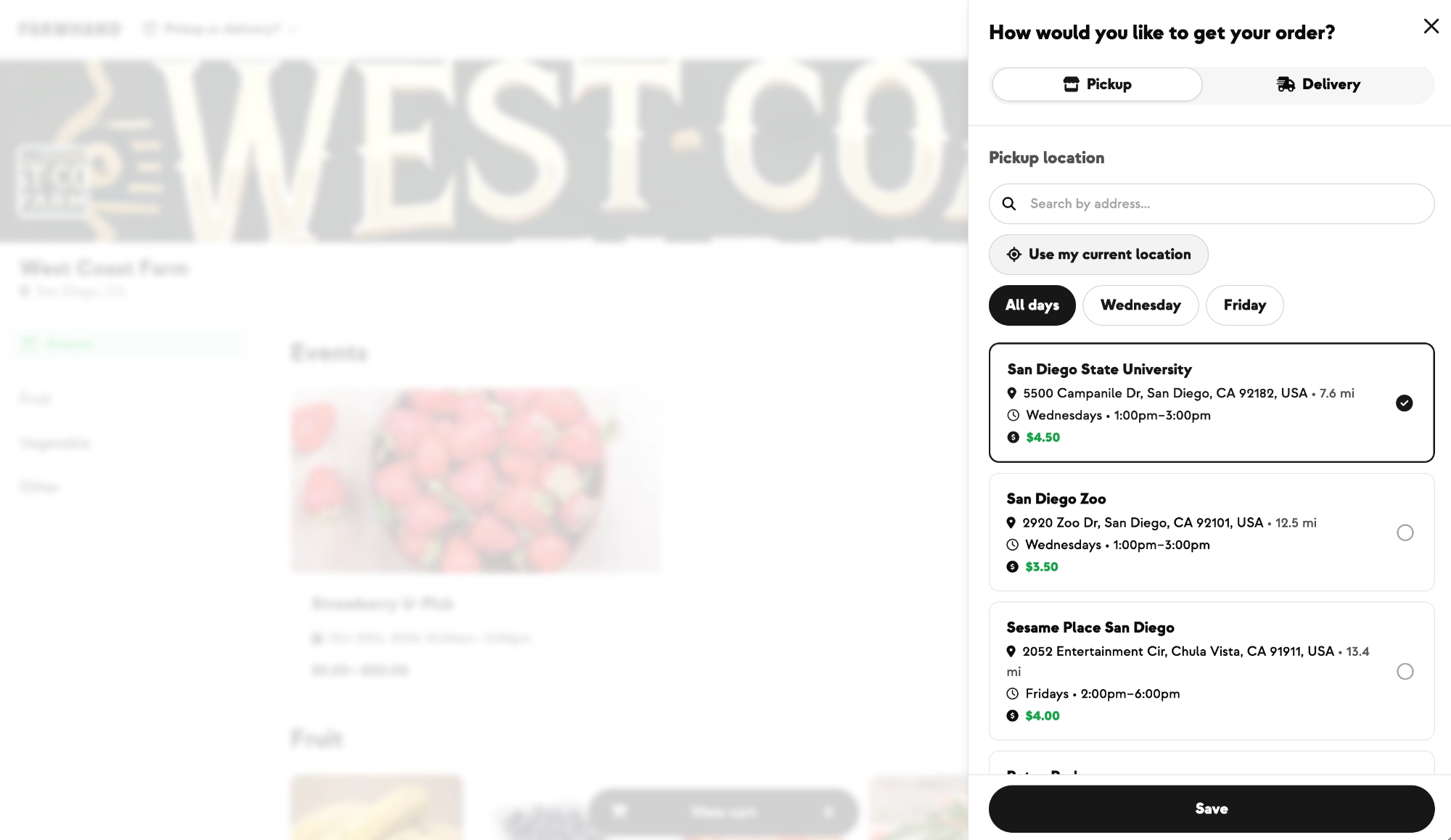
Answering a request faster is good. Understanding why the request happened in the first place is better.
The best outcome is a farm where members don't need to send the request at all. When we see the same request come in again and again, a person on our team decides what the right fix is, and often that's a change to the product itself so the issue stops coming up. We'd rather fix the cause than keep reacting to the symptom.
This space moves fast. What we knew a year ago is different from what we knew six months ago, which is different from what we know today, and it'll change again in the next three to six months.
That's why I think you're better off with one point person to rely on. When a farm runs on a pile of tools stitched together, something in the chain changes and what used to work stops working. Everyone points at everyone else. Or a new capability comes out and you can't use it, because your setup is too fragile to touch.
With Farmhand you get a team that understands direct-to-consumer farm businesses and farm subscriptions (CSAs, herdshares, flower subscriptions, protein boxes) at a level of detail a generic small-business tool will never reach, because to them you're a blip. We look at the data the way a farm needs it looked at, and we build for those needs.
Our goal is to help farms. It's not to help anybody else.
The fastest way to the truth is to talk to people who use the product. I tell farmers this all the time: I can answer your question, but you'll get a better answer from another farmer on Farmhand. They probably had the same question, and the same reservations, when they were looking at us.
Ask any company for a customer reference. If they don't offer one, find someone using them and reach out cold: "We're considering them. How's it working for you?"
I'd also look past the list of capabilities. A lot of people are out there saying they built a new app, or that they can build one for you. I've heard the horror stories. Someone shows up at a farm promising something custom. It looks good on the surface. Then the farm starts using it, their customers start using it, and the weaknesses show: security that isn't there, pieces that were never battle-tested. Anyone who tells you that's simple and they can do it in a week is being naive.
Be skeptical of anyone with a short track record and a long list of capabilities but no customers vouching for them. It's fair to say, "Reach back out when you have 100 customers."
Think about websites 20 years ago. Technically, anyone could build one. Did you want just anyone, or someone who knew how? Ask who's building the thing. Do they have a software engineering background? Have they been working with AI for a while, or did they watch a few YouTube videos and jump on a trend?
You can't teach passion. Everyone at Farmhand cares about local food, and I didn't have to convince any of them; they got there through their own lives. We're also a technology company, so we look for people who are curious about technology and use it every day. That's hard to teach, too.
Would I hire someone who's never set foot on a farm? No. That doesn't seem reasonable.
Farmers are the hardest-working people I know. Everything we build comes back to one question: what can I do to help them?
— Ari Memar, Founder, Farmhand
Want to hear it from a farmer instead? Ask us for a reference. There's no sales team at Farmhand; every call is with Ari.


.png)

.jpeg)

.jpg)



.jpg)


.png)
.webp)