
The Cream Already Paid for the Milk
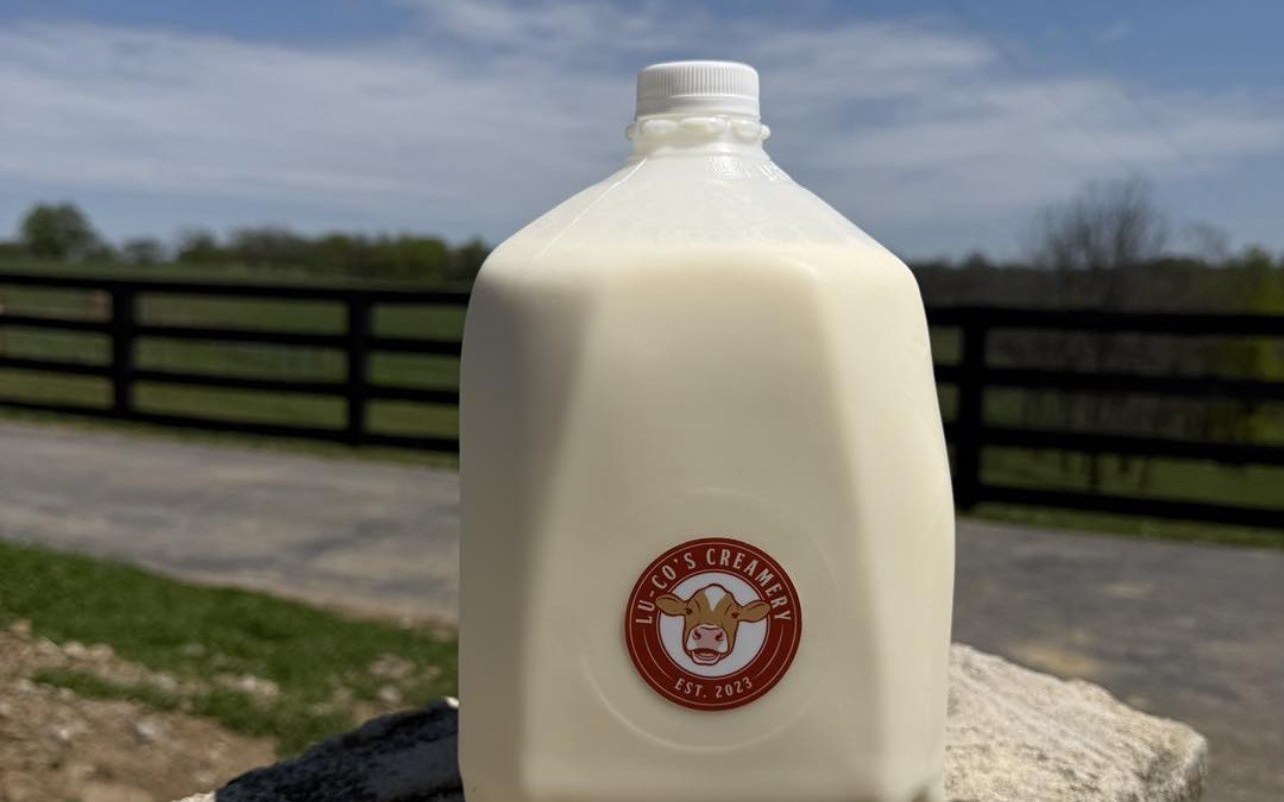
Farmer Lucy Meade runs Heavy Hollow Farm in Lancaster, KY — 73 acres, A2/A2 Jersey cows, and a raw milk herdshare she runs with her husband. Alongside the milk she sells cream, yogurt, cottage cheese, ice cream, eggs, beef, lamb, turkey, chicken and pork. We asked her how a two-person dairy ends up with that many products, and which one she'd add first. Here's Lucy, in her own words.
We're 73 acres. The Jerseys and the milking are the main thing — getting raw milk to our community is the whole point of the place. But we also run a small herd of Angus for beef, and we raise lamb, turkey, chicken and pork. We have bees. We do eggs.
Basically anything we raise for our own family, we try to provide for our herdshare customers too.
It did not start that way, and I did not plan most of it.
It came with the cow
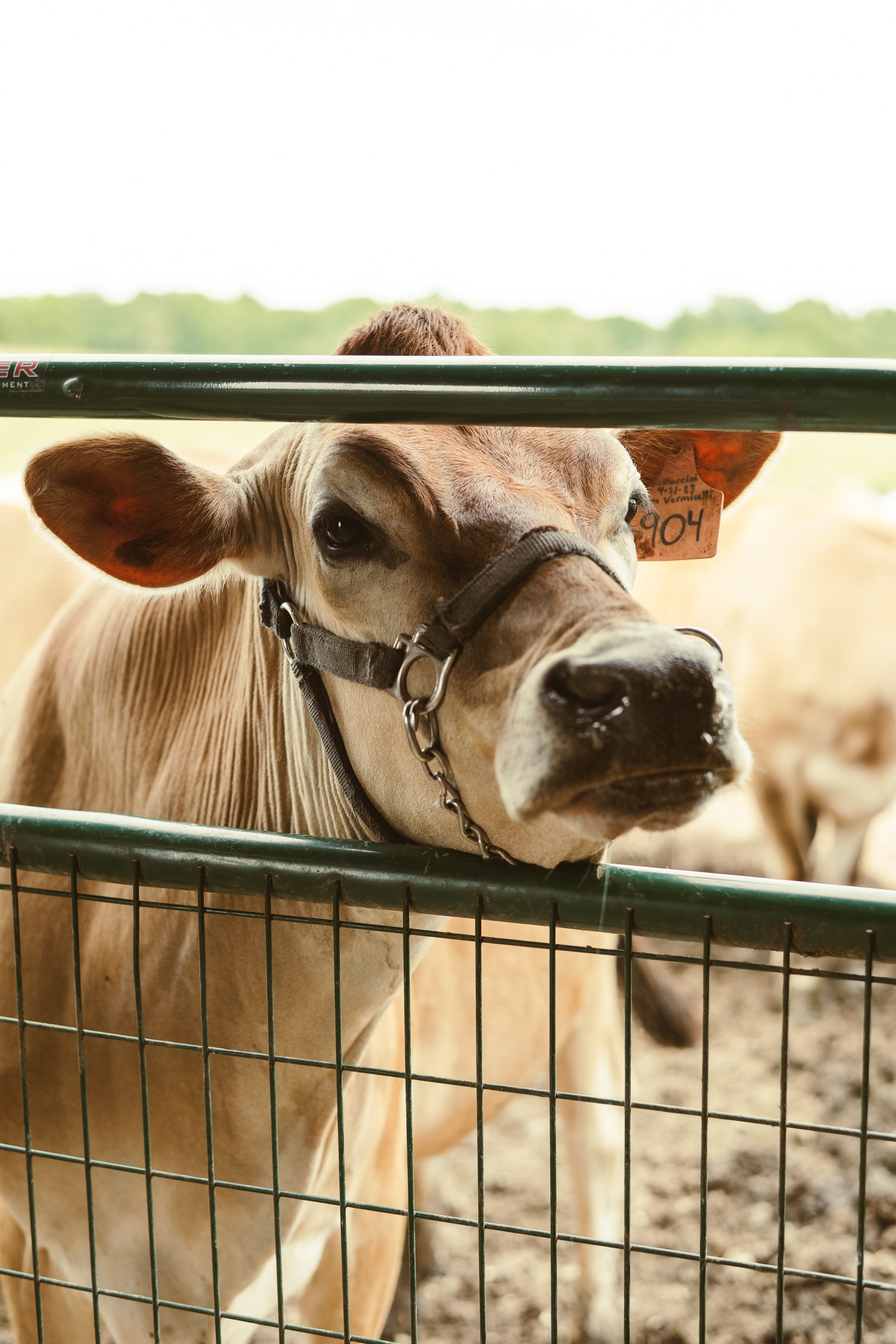
Growing up we raised tobacco and beef cattle, and my dad always had a milk cow. So when we got set up here, we got a heifer calf, raised her, got her bred and got her in milk. Then the neighbor wanted some. And then the next person. And then that person.
Around the same time we found some bees down the road. When we went to pick up the hive, it turned out the folks were moving and selling everything — including a milk cow. So we bought it, and it came with all of its customers, because they'd been doing the same thing we were.
It kind of spiraled from there. I'm always curious about new stuff, I guess you could say.
The only question I ask before adding something
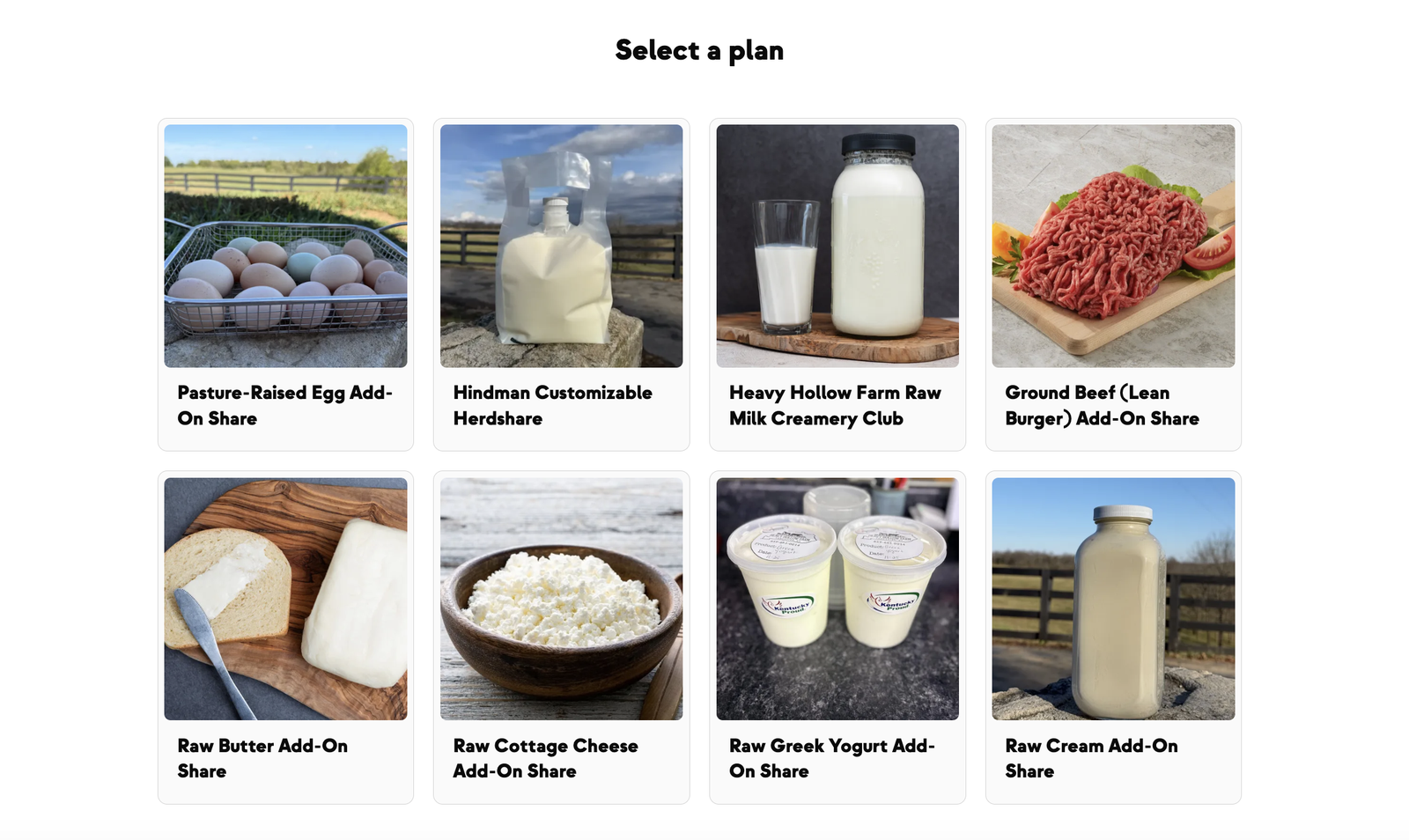
People ask how I decide what to add. Honestly it mostly comes down to how much time I have. But when I'm actually thinking about it, the question is whether it's something other people would want that they don't have time to make themselves.
Because I think that's a lot of it — do they have time? Most people don't.
That's really the whole test. Most of my customers weren't making yogurt before they bought it from us. It was a convenience thing. Instead of picking up yogurt at the store, they add it onto their milk order.
Ice cream is the exception that proves it. A lot of our customers do make their own ice cream — I hear it constantly, that our cream is wonderful for ice cream. So ice cream was never going to be the thing that carried us. It's a nice extra when we have the milk for it.
I start in my kitchen
Every product here started with equipment I already owned.
I made yogurt in Instant Pots for a long time. It works really well — the only problem is each one only holds a gallon. I separated cream by hand before we ever bought a cream separator. I started ice cream in my KitchenAid, which obviously didn't make very big batches, and only after that did I invest in a two-and-a-half gallon churn.
The pattern is the same every time: use kitchen stuff to see how it goes, and if it goes well, then spend the money.
Right now I've got a pasteurizer borrowed from a friend, because I just learned a pasteurizer can also make cheeses and yogurt — you just don't set the temperature as high. I haven't had a chance to try it yet. If it works, I'll buy myself one. If it doesn't, I've spent nothing.
Facebook first, website second
Sometimes I put feelers out. That's what we did with ice cream — asked on Facebook first and saw what came back.
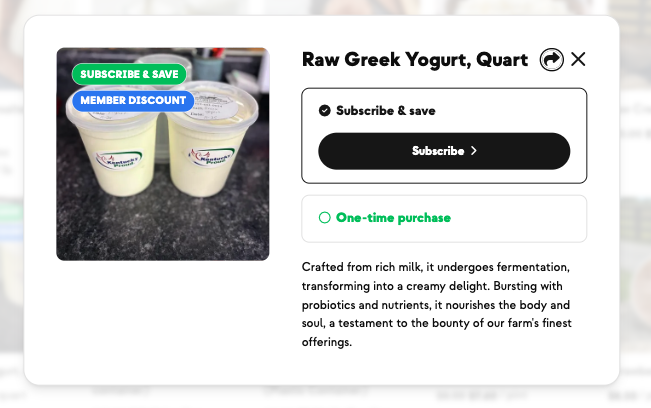
But most of the time I just try it and throw it on Facebook. If it's popular, we move it over to the website. If it's not, then okay, it's not.
We have a good Facebook following, so it's easy to put something new in front of people without committing to it. And customers will tell you what to make next if you let them. Somebody messaged me just today saying — not that you need another product — but you should try high protein ice cream, with protein powder in it.
That happens when people know you're the kind of farm that tries things.
The one I didn't see coming
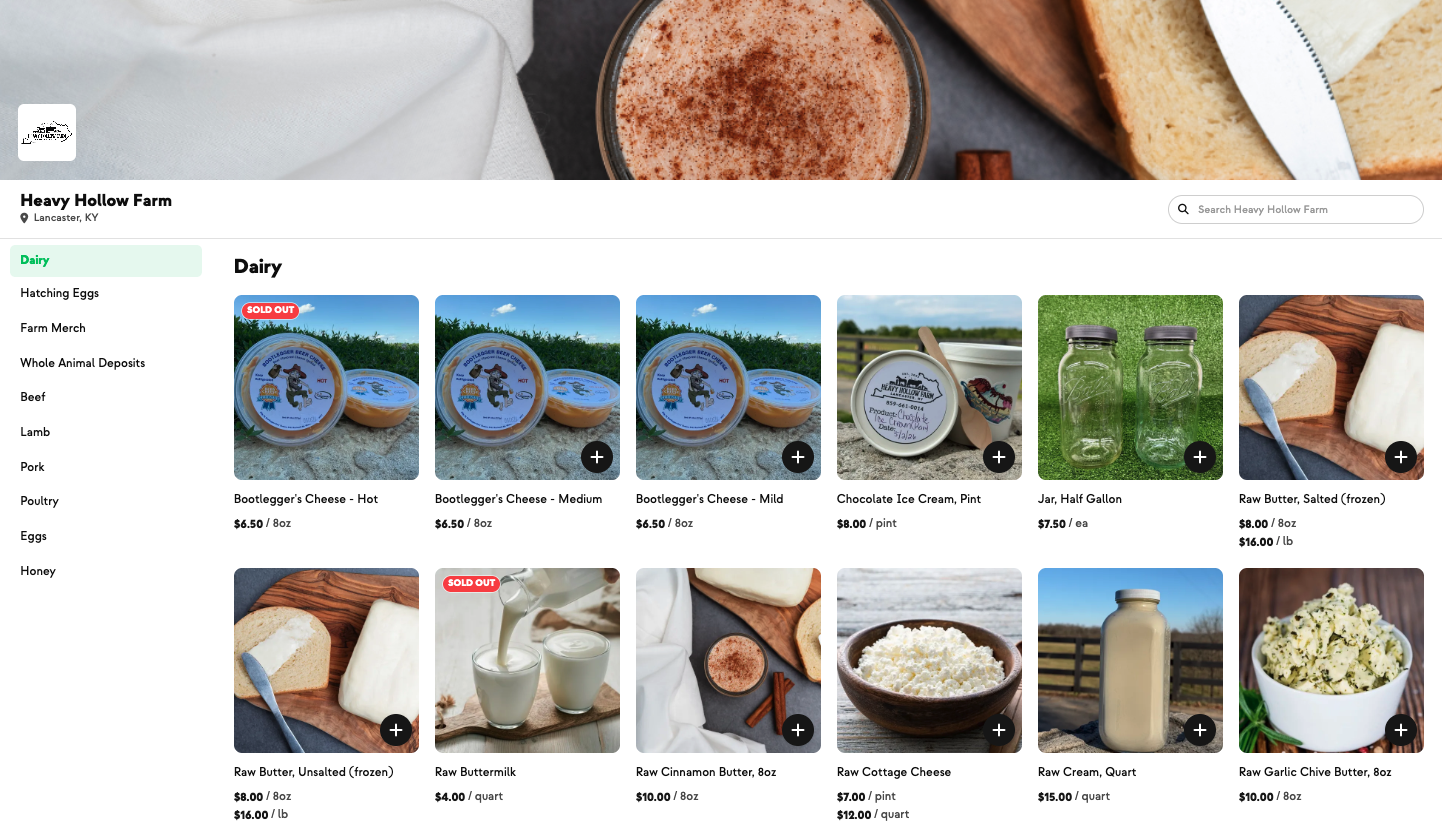
Cottage cheese was something I made for myself, because I love it. But just because I love it doesn't mean anybody else will, so I hadn't really thought about offering it.
Then my mom and a good friend started getting it pretty regularly. And then it was everybody — oh, I just love your cottage cheese.
That one exploded. Sometimes I don't even get enough made and I have to tell people I'll have to send it next week. I did not expect it to do so well.
The cream already paid for the milk
This is the part I'd want another dairy to hear.
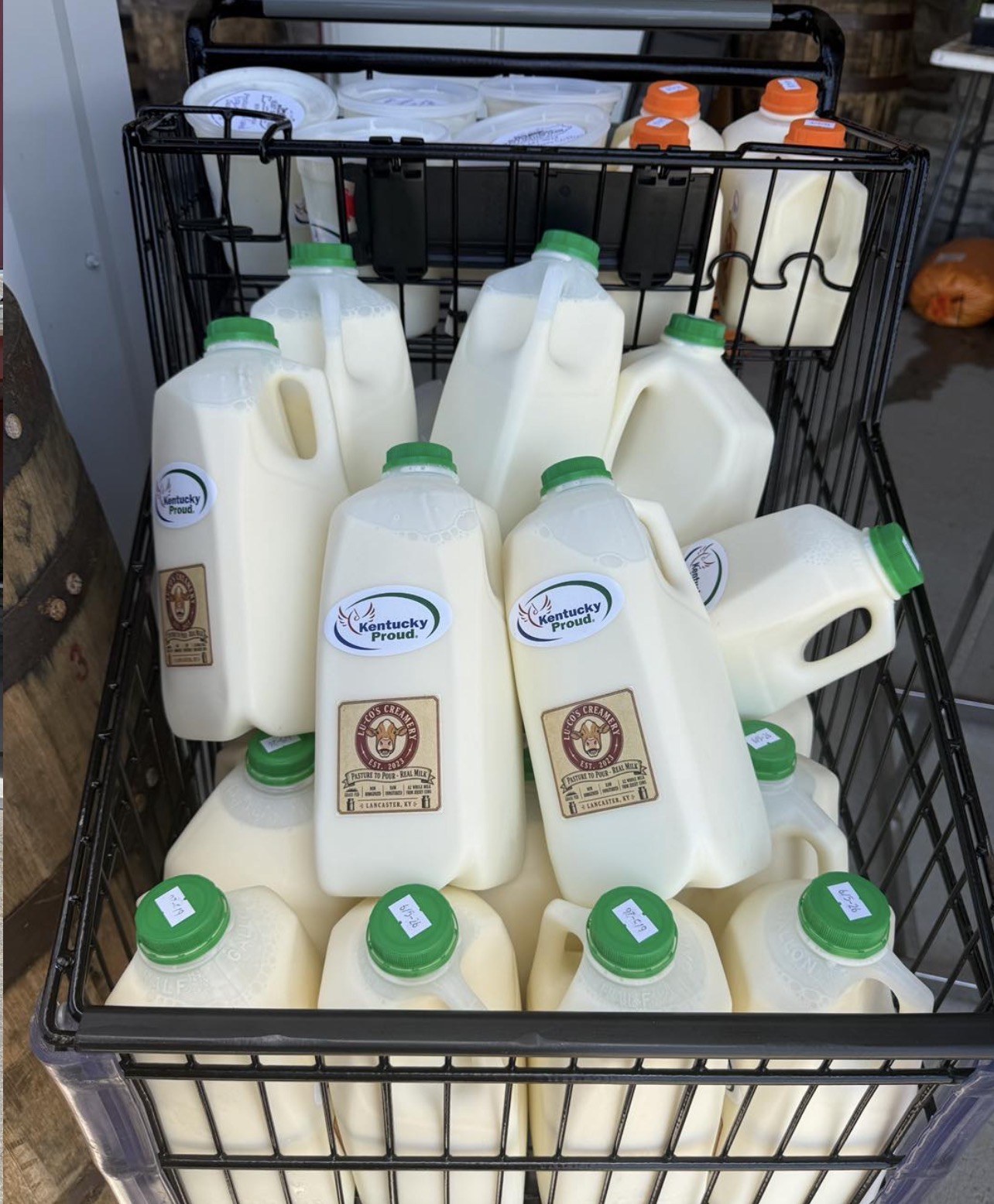
All my yogurt is made from skimmed milk. You don't use any cream at all in yogurt. So I've got people buying cream — I separate that cream off for the cream sales — and the milk that's left would otherwise get drunk by us, or fed to the chickens, or fed to the pigs.
But if I take that skim and make yogurt out of it, I basically have milk I have no cost in.
The cream already paid for that gallon of milk. And I've turned it into another product that makes money.
And yogurt is easy. I throw it in the Instant Pot, it cooks 18 hours, then I strain it and blend it and it's done. Aside from a little bit of labor, yogurt is 100% profit, almost.
So the amount of yogurt I make isn't really decided by demand. It's decided by how much cream I'm selling.
Ice cream works the same way from the other direction. We were having some extra milk, and instead of dumping it or discounting it a bunch, we tried ice cream. Now if I've got the surplus we make it, and if I don't, we don't.
Our proteins are members-only
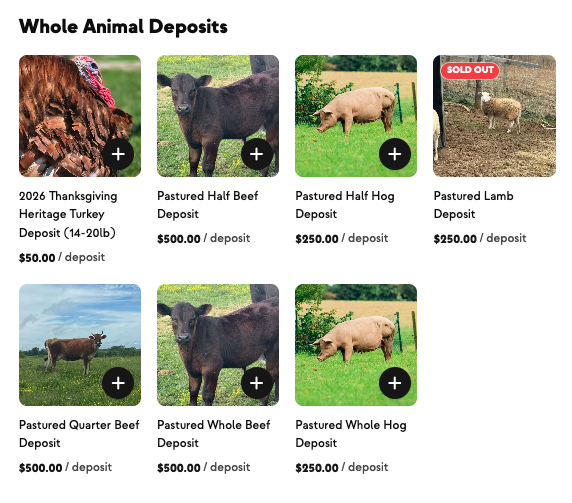
We don't offer proteins to anyone except our herdshare customers.
That's on purpose. I want to be the go-to for most everything farm fresh — milk, meats, eggs — except produce, obviously. So that's part of the uniqueness of our herdshare. You get it in glass. You get the add-ons that aren't offered with a lot of shares. And you can tack on your eggs and your proteins.
Ground beef is by far the number one item that gets tacked on. Then sausages and brats. Steaks are a little more here and there.
The cuts that move slower, I run a sale on. And if something's been in the freezer a hot minute and it isn't moving, I pull it out and cook it for our family.
People love a sale
The other thing that works better than I thought it would is texting.
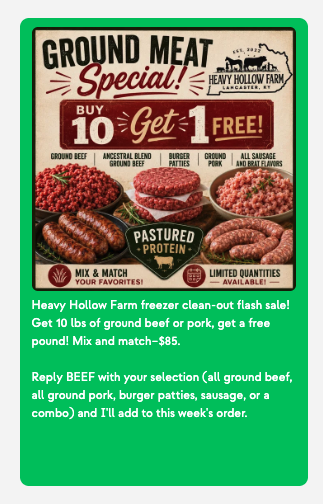
We do a buy ten pounds of ground beef, get a pound free. Which is kind of funny, because it's not that great of a deal — you get eight or nine dollars free on a ninety dollar purchase, so about 10% off. But people love that one. Every time we send it out, it's eight or ten bundles.
And I've found the text does better than the newsletter. People don't open a newsletter near as much as they read those texts. It's a quick response on their part, too — yes, please add it to this week's order. It's real simple for them, because convenience is obviously part of it. We even did one with quarter and half beef and the responses there were good.
I maxed out on the managing, not the producing
None of this was limited by what I could make. It was limited by what I could keep track of.
Before we had the website it was exhausting — not just keeping up with everything, but the communication. People messaging saying hey, I want to add this, I want to add that, and I might be in the middle of milking cows. I may or may not have gotten it written down.
So when it came time to fill orders, I was scrolling back through Facebook messages. Scrolling back through text messages, trying not to miss anybody — and of course there were misses. Same deal with payments. Going back to check whether somebody had sent me a Venmo, check whether somebody left cash.
I had maxed out, so to speak. Not in terms of the products I could provide, but in terms of the managing I could do of that.
That's the ceiling I'd warn other farms about, because it doesn't feel like a business problem. It feels like you're just disorganized. You're not. There's a real limit to how many orders one person can hold in their head while they're milking.
Now I tell people the details are on the website. If somebody wants to add something or skip a week, I say sure — go to the website, and if you can't figure out how to put it in, click the help button and they'll get you straightened out. That alone has been a tremendous time saver.
It helped the add-ons too, because it's all there now. People see it when they go to the website. And putting things on subscription with a little discount helped more than I expected — folks add a yogurt every week, or their eggs, and cream just comes automatically without anybody having to tell me yes or no this week. They don't have to think about it.
Where I'd start
Cream and yogurt are where I'd start.
I price cream at the same price as the milk it came from. A gallon usually gives me a little less than a quart of cream, so whatever that milk would cost me when I sell it as milk, that's what I charge for the cream. And the yogurt costs you almost nothing once the cream is sold.
Then eggs. Eggs are definitely worth the investment, whether you find a reliable source or two or you do it yourself. People kept asking me — do you have eggs, do you have eggs, do you have eggs. A neighbor provided for a while and then that just got to be too much, so finally I went and invested in pullets. We move about 150 dozen a month now, if I remember right from the last time I checked. Way bigger than I thought it would be.
That's where I'd start.
The thing I'd want you to take from all this is that most of it was already sitting on our farm. The skim was going to the pigs. The extra milk was getting dumped or discounted. The eggs were a question people kept asking that I kept saying no to. None of it required a new enterprise. It required looking at what was already leaving the place for free and asking whether somebody would rather buy it.
— Lucy, Heavy Hollow Farm
👉 See how Lucy runs her Creamery Club on Farmhand
Related Content
Get the story in your inbox every week.
Real success stories from working CSA and dairy farms–delivered every week (free).
Read by 5,000+ farmers every Friday