
When Your Best Customers Can't Get a Ticket
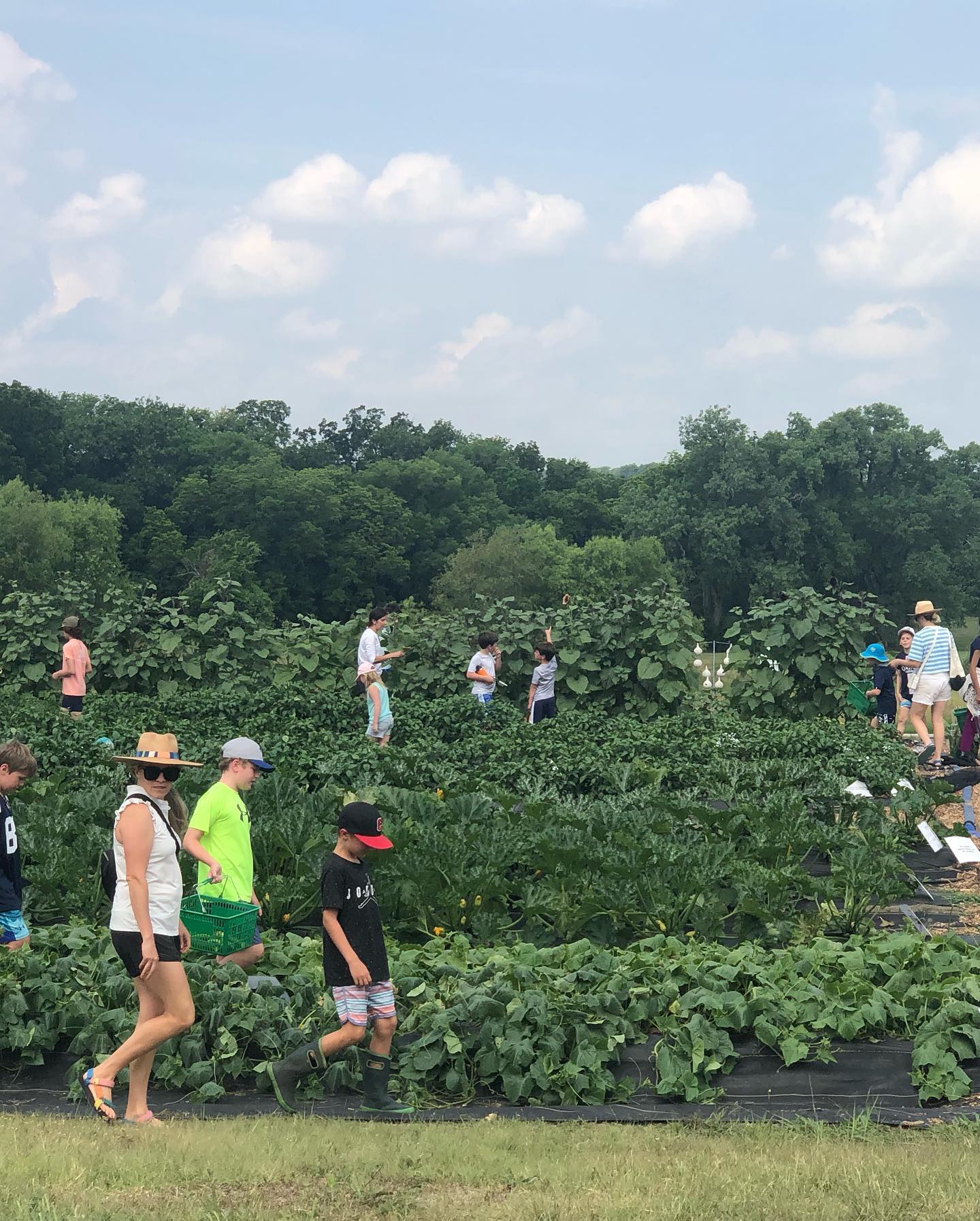
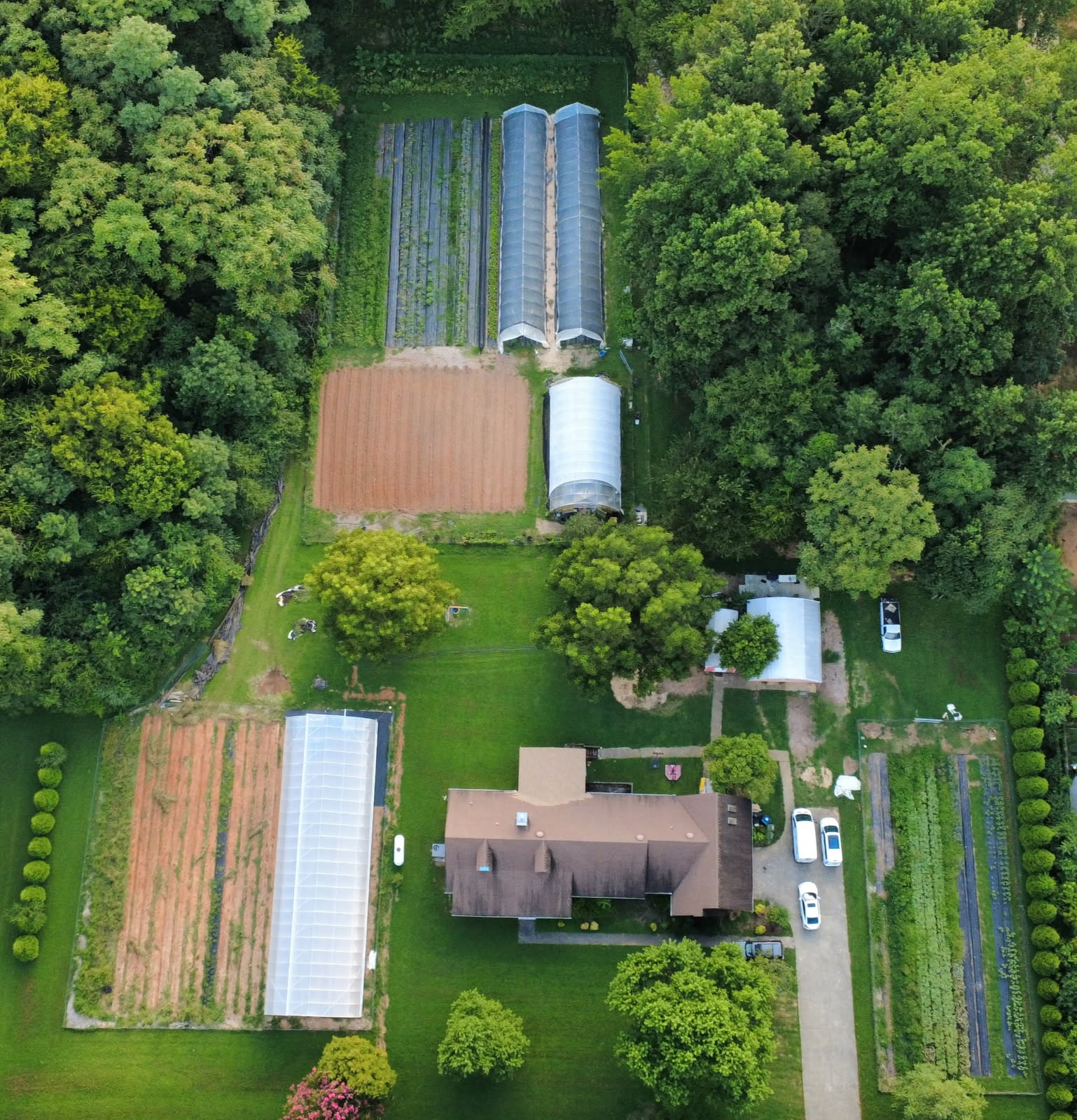
Megan Neubauer farms Pure Land Farm in McKinney, Texas. It's 100% pick-your-own, it just finished its ninth season, and it's sized for two people with no hired help. On a summer morning, around 250 people come out to pick. Megan wrote the book on the model, Pick-Your-Own Farming, and in a recent Farmhand workshop Ari asked her how she built the season pass at the center of it. Here's Megan, in her own words.
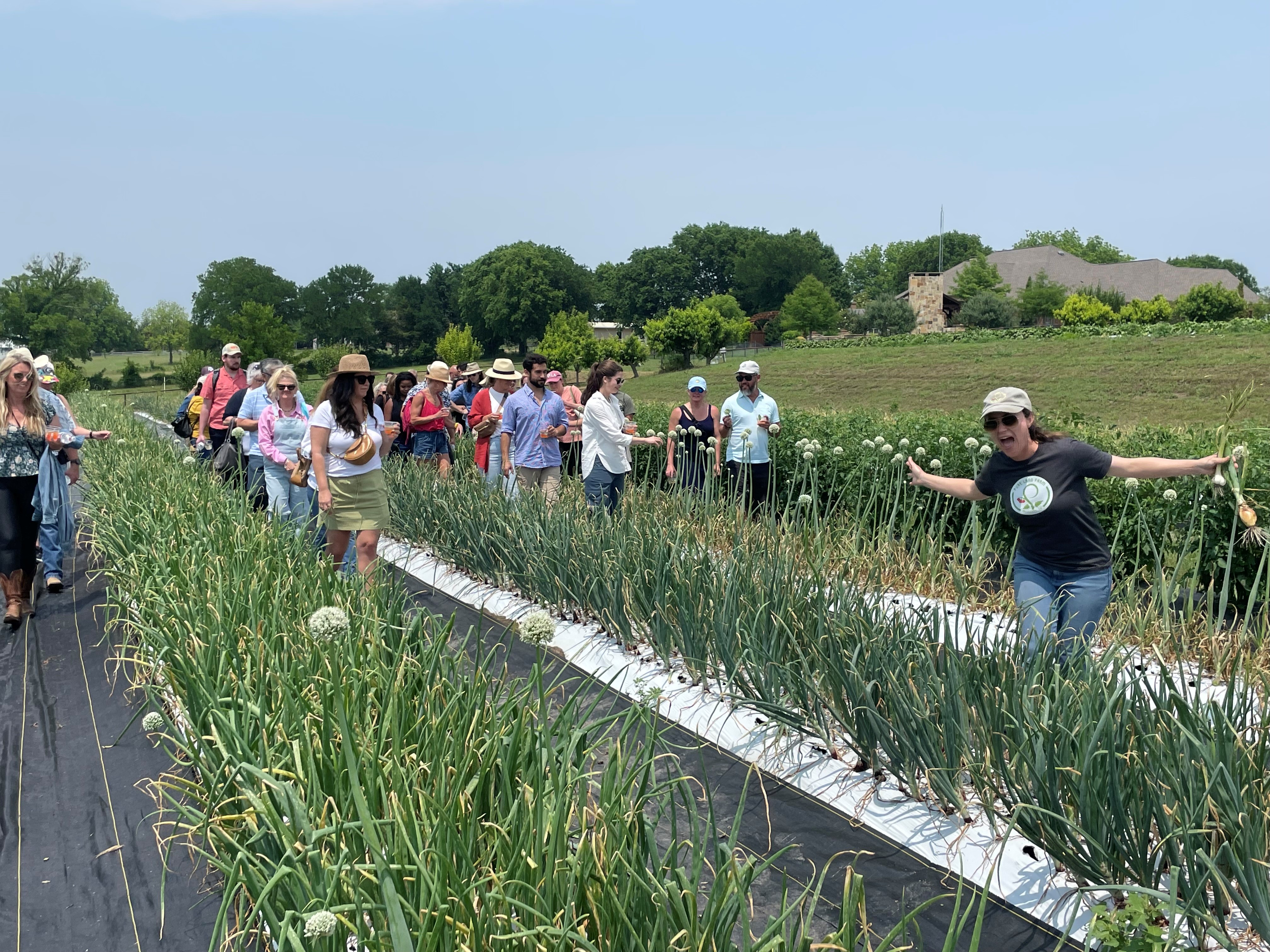
When I think about why people get into farming, first and foremost it's to nourish their community. That's the food, and it's also how people grow once they're exposed to local food. But who your community actually is turns out to be a complicated question, and I see a lot of farmers spend a lot of time and energy serving one kind of customer at the expense of another.
Sort your customers into regulars and tourists
.jpg)
We started with what we call a single visit pass, which is essentially a ticket. You buy it, you come out once. Over the years we added a season pass, which gets you into any pick we hold that season. We're open for about eight weeks, typically four mornings a week in the summer.
The season pass came out of COVID, a couple of years into picking. I stopped seeing my regulars. You get to know people's faces and how often they come, and I got worried. We'd become so popular as a safe outdoor activity, with the grocery stores and supply chains in such trouble, that my regulars were getting beaten to tickets. I was selling out before they could book.
I wanted to prioritize the people who come spend 50 bucks with me every single week. So in my head I divided everyone into regulars and tourists, and the next year I invited the regulars to pilot a season pass. We've built on it every year since.
80% of our revenue comes from the 20% of people who come out to see us again and again.
Tourists matter too. They're where your new regulars come from. There's always attrition. People move, their kids sign up for sports, things happen. You have to keep inviting new folks into the fold.
When we were small, with maybe 50 or 70 people at a pick, I could learn faces and then names. Now we see something like 250 people every morning, four mornings a week, over a three-hour pick. Once all our ticketing moved online (we don't sell anything at the door), I could run a report of who came most often. Those are the people who get invited.
I still watch for them. If a one-time visitor spends a lot, or I notice they're back a second or third time, I try to get a minute with them, tell them about the season pass, and get their email for the pre-sale list.
Size the pass to what the farm can hold
.jpg)
There's always an element of scarcity in my business model. I sell a limited number of tickets and a limited number of season passes, because it makes for a better experience for the people who do come. I don't have parking for 500 people, and I never have enough produce at one time for 500 people. It would be crowded, with long lines.
When we added season passes, I lost some control over exactly how many people would be there on a given day. Customers love that. They have flexibility, and they can just jump in the car and come. I want to give them that, but I also have to keep control of the experience.
The first version was one pass in two sizes, good for any pick: a couple pass for up to two people, and a family pass for up to six. After a year or two of that, Saturday mornings were so crowded that I topped out. I couldn't sell any more. Then people started asking, what if I promise I'll only come during the week? So we added a weekday-only pass.
There's no weekend-only pass, because I want the anytime people to feel like VIPs. If you get a day off, or your kid's home sick, you can grab them and come right out to the farm without waiting for the weekend.
If I were starting over, I'd probably make Saturday the premium: a Saturday pass and an any-other-day pass, since every other day sits below Saturday. My customers are so well trained now that I don't want to change it on them.
Write the terms as short as you can
.jpg)
You have to be really, really clear about exactly what people are buying. They won't read a brick of information. It's hard to get them to read a bullet. So I landed on the shortest, clearest language I could find:
- It covers every open pick, and we're not open every day. If you can only come on Fridays, I'm very rarely open on a Friday. This is a flexible product, and you have to be flexible to buy it.
- The season is eight weeks, and picks are always in the morning. If you can only come in the afternoon, the season pass isn't for you.
- The schedule isn't guaranteed. It changes around the weather.
- You still pay for what you pick. The pass gets you in. It doesn't get you produce.
- Produce and quantities aren't guaranteed. This is agriculture. It's a living product, and this isn't a grocery store.
- Passes are non-refundable.
Single visit passes still exist. The weekend ones open for booking every Thursday at 10 a.m. So many season passers can come on Saturday that only a handful of Saturday tickets are available, and you have to be there right on time to get one.
I actually discourage people from buying a season pass if they've never been to the farm. I want you to have been here, seen it and met us, and then decide it's something you want to invest in. I don't want someone to come out, decide it's too hot and they're not having fun, and never come back.
Sell access, then track who uses it
.jpg)
Access is the key. I have people who've come out every summer for five, six, seven years who buy a season pass knowing they'll only come once or twice. They email me asking me not to drop them from the list. They travel, they have sports, they have really busy lives. They don't want to bother with a ticket. They want to be able to say, it's Saturday, the farm's open, let's go.
Every time someone arrives, they scan a code, and it's tallied automatically, so I can see who's come the most and who's come the least. I just ran the numbers for 2025 and 2026, and they're within a percent of each other:
- A little under a quarter of pass holders come three or more times a season. Those are my VIPs. I want to know their names, their kids' names and what grades they're in.
- A little under half come once or twice.
- Almost a third never come at all.
For the first couple of years, I dropped that last third from the pre-sale list. I'd cherry-pick people over the season instead: somebody who came once but spent 200 bucks, somebody who'd bought tickets two or three times.
Here's the math I did this morning. That third who never came was $8,000 in breakage that I put in my pocket without handing anything over. If those same people had shown up every week and spent $50, that's $70,000. Do I have the produce to support that? Probably not, but I'd have gotten some of the way there. I really want it to feel like a club.
Charge for the gate
We're dealing with perishable products. This stuff has to move, and I need the people who book to show up. At the beginning of COVID, I'd regularly have a third to half of people not show, while I had a waiting list of people who wanted to come. I lost them, because the people holding those spots didn't have any skin in the game.
Tickets help the people who come, too. Moms are the main people who come out, and moms want to plan. Have I paid? What time do I have to be there? How long will we be there? People are looking for a plan, and a ticket gives them one.
And admission is 25% of our revenue. At the end of the day, that's not an insignificant amount of money.
This is not an activity that people expect to have free access to. It's just not. You're leaving money on the table.
There was a study out of UC Davis a while back that found, I want to say, about 68% of people who take part in an agritourism activity expect to pay an admission of somewhere between $5 and $15. Pick-your-own isn't convenient at all. If groceries are all you're looking for, there are way easier ways to get them.
Give people your attention, not your time
.jpg)
We've gotten to the scale where we can't be any bigger. We're as big as we want to be. We never wanted to hire help, so the farm is sized to the two of us, and that's the limit on everything. My time is precious. When I'm not with people during a pick, I'm working, either on my computer or on the plants.
What the season pass gets you is my attention. It gets you a personal relationship with me and access to me, but it's not going to get you my time.
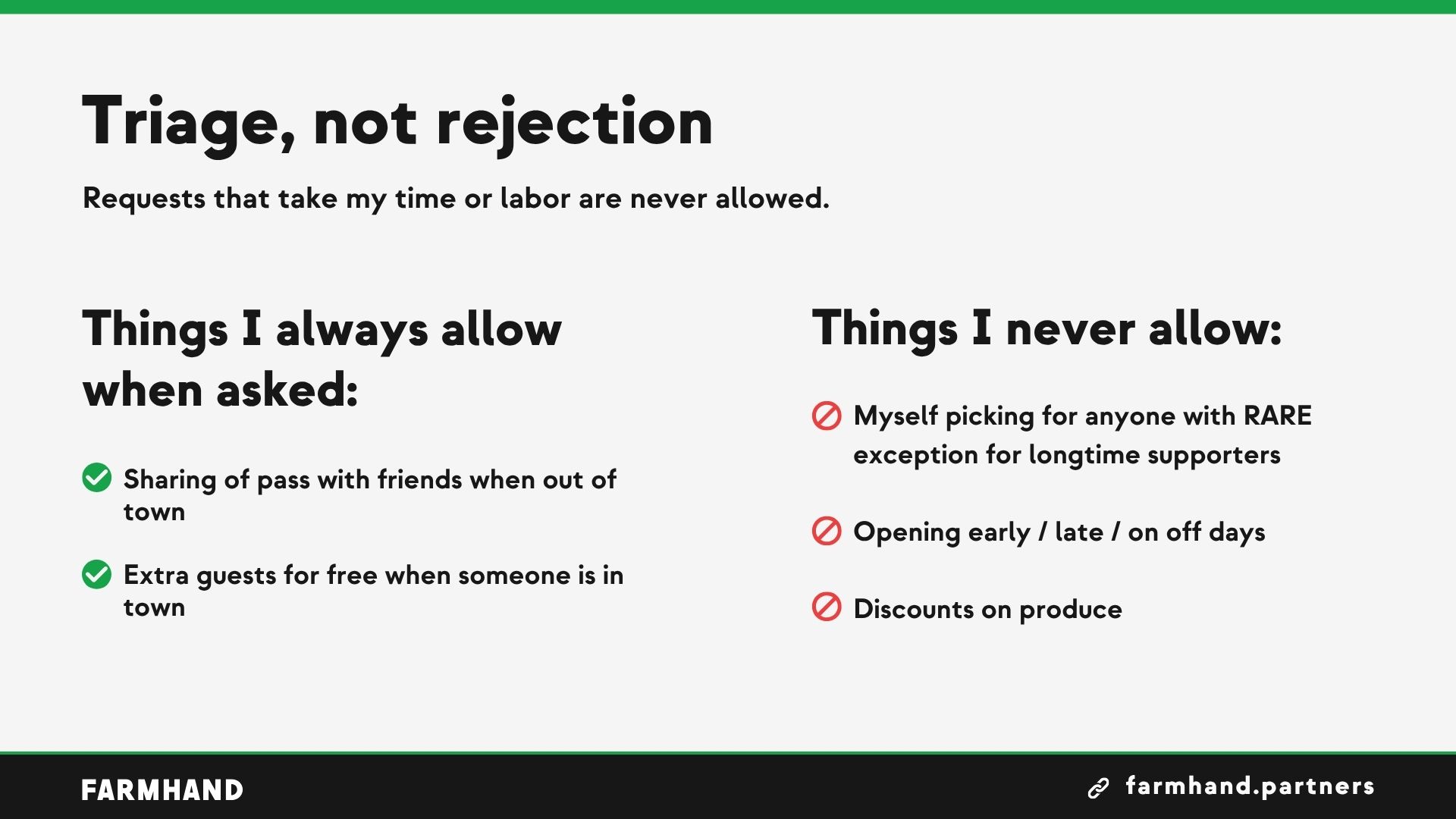
So I say yes where it costs me nothing. Every summer people ask if they can bring friends who are in town. Absolutely, don't worry about it. Someone leaving town for three weeks asks if they can share their pass with a neighbor. A thousand percent, yes.
What I almost never allow is anything that takes my time. People ask me to pick for them: can you just pick me two pounds of squash, and I'll come pay? Absolutely not, unless I personally know you. Every rule has to have an exception. One woman has been coming out to see us for about six years, and she's going through a really hard time right now. The heat was too much for her, and she emailed to ask if I might pick for her. I said, say no more. She's a VVVIP here.
The schedule is the schedule, too. I don't open early or stay late, and I don't open on a day that isn't a pick. There's basically nothing anybody could do to convince me otherwise, because I'm busy and I'm working. We don't discount produce either, and season passers never ask. It's just not what they're in it for.
Find your rules, then let them run
I think you have to get burned a little. The whole business model, as we've gotten it at this point, is just a series of burns. Eventually you land on what keeps you sane, keeps the operation running smoothly and keeps everybody's expectations right. I'd say I had it dialed in within three years or so, and I really haven't had to change it since.
Farmers are so permissive, and you see it with CSAs. About ten years ago I saw a CSA farmer present at a conference, and she said they didn't allow substitutions of anything, ever. Every substitution somebody makes is five minutes she isn't spending with her children, and they had a 300-member CSA. You do the math.
It's tough with diversified fruits and vegetables, because the work on the farm is never done. I used to go back to pleasing people. I'd keep selling season passes a week or two after the season started, because people begged. That set off a cascade: making sure they were on the right text list and email list, back when I was cobbling it all together with nine different apps, only for some of them to come once or twice.
Now I don't sell season passes past the first day, and I'm usually sold out before then anyway. I'll keep selling the weekday-only pass, because having people invested in coming on weekdays helps my weekday traffic.
Send every question to the website
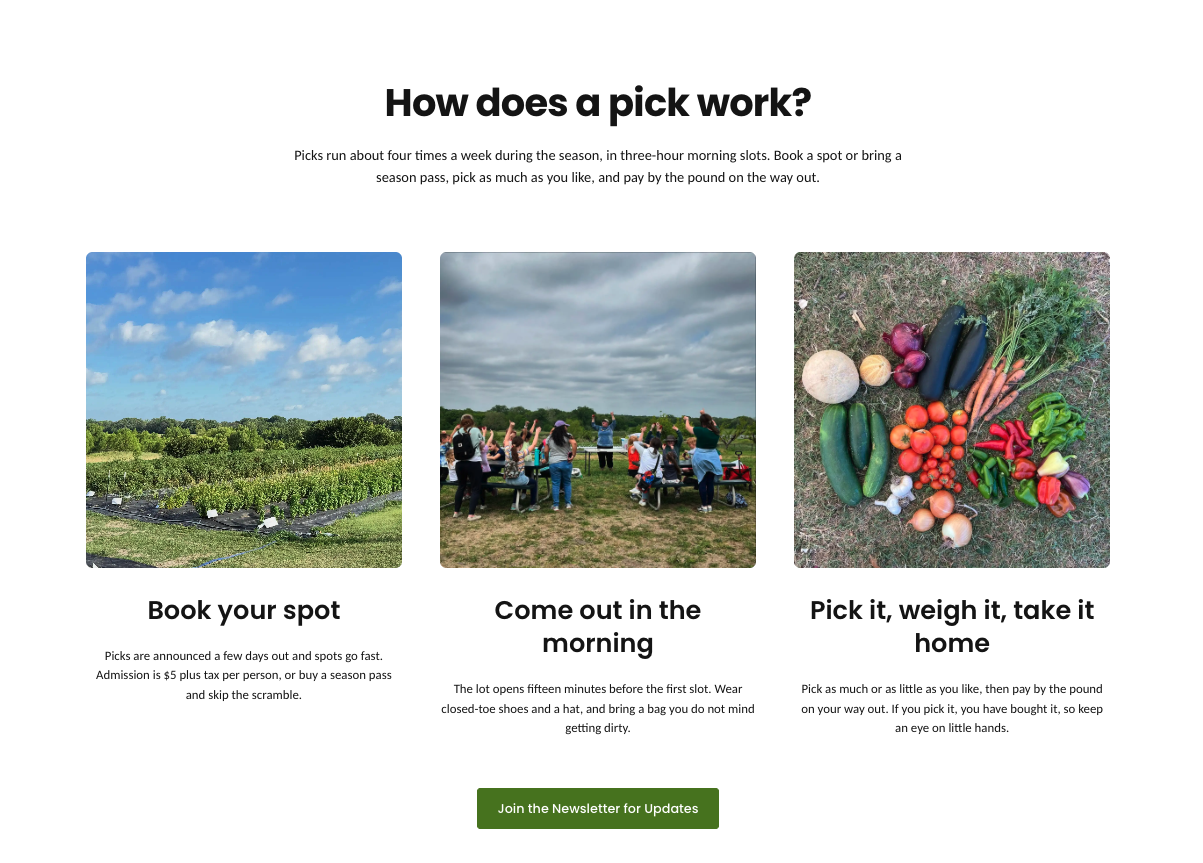
It takes a while to get the public to understand that they can't just walk up and start picking. Everything goes through the website, and you have to have booked ahead.
COVID helped us here, strange as that is to say. We went from an email list of about a thousand, built over three years, to 15,000 people who found us through COVID. Once your audience is built, you can let things run. This is when season passes open. This is when they close. When they're gone, they're gone, and when a day's single visits are gone, they're gone. Shut it off and do your plant work.
I have an auto-reply on everything. I don't even keep season pass information up on the website until right before it's available, because it just invites questions. My email address isn't on the website, and neither is a phone number. You have to train people to bring their questions to the place where you keep all the information, which is your website.
Start with tickets and add the pass in year two
The first couple of years were stressful. I'd have a hundred pounds of little yellow cherry tomatoes ready, and I'd need people right now. I kept relationships with some chefs and local restaurants and a small local distributor to get through it, until my production matched my people. That's the sweet spot.
I wouldn't sell a season pass in year one. You don't know how many people you can support or how many times they'll want to come. You know nothing about the experience yet. Run it with single visits. Identify the people who like your stuff and come back again and again, and in year two, start selling season passes to just those people. Even then, you're looking at year three, four or five before it's dialed in as an incredibly valuable engine for your business.
I think it could work for a lot more people than are currently doing it. There's an immense consumer appetite. Immense, truly.
What I'd tell another farm
- Know your regulars from your tourists. Regulars bring in most of the revenue. Tourists are where the next regulars come from.
- Invite people who've already been. Offer the season pass to your most frequent visitors first, and point first-timers to a single visit.
- Cap everything. Sell only as many tickets and passes as your parking and your fields can handle.
- Add a weekday pass when Saturdays fill. It keeps selling after the anytime pass tops out, and it brings people out midweek.
- Keep the terms short. Open days only, mornings only, weather sets the schedule, pay for what you pick, produce isn't guaranteed, and passes are non-refundable.
- Charge admission. Paid visitors have skin in the game, families get a plan, and most people already expect to pay.
- Track redemptions. Know who comes three or more times, and learn their names.
- Stop selling season passes on opening day. Late sales cost more time than they're worth.
- Route every question to the website. Put an auto-reply on everything else.
- Start with single visits. Add the pass in year two, and give it three to five years to dial in.
— Megan Neubauer, Pure Land Farm
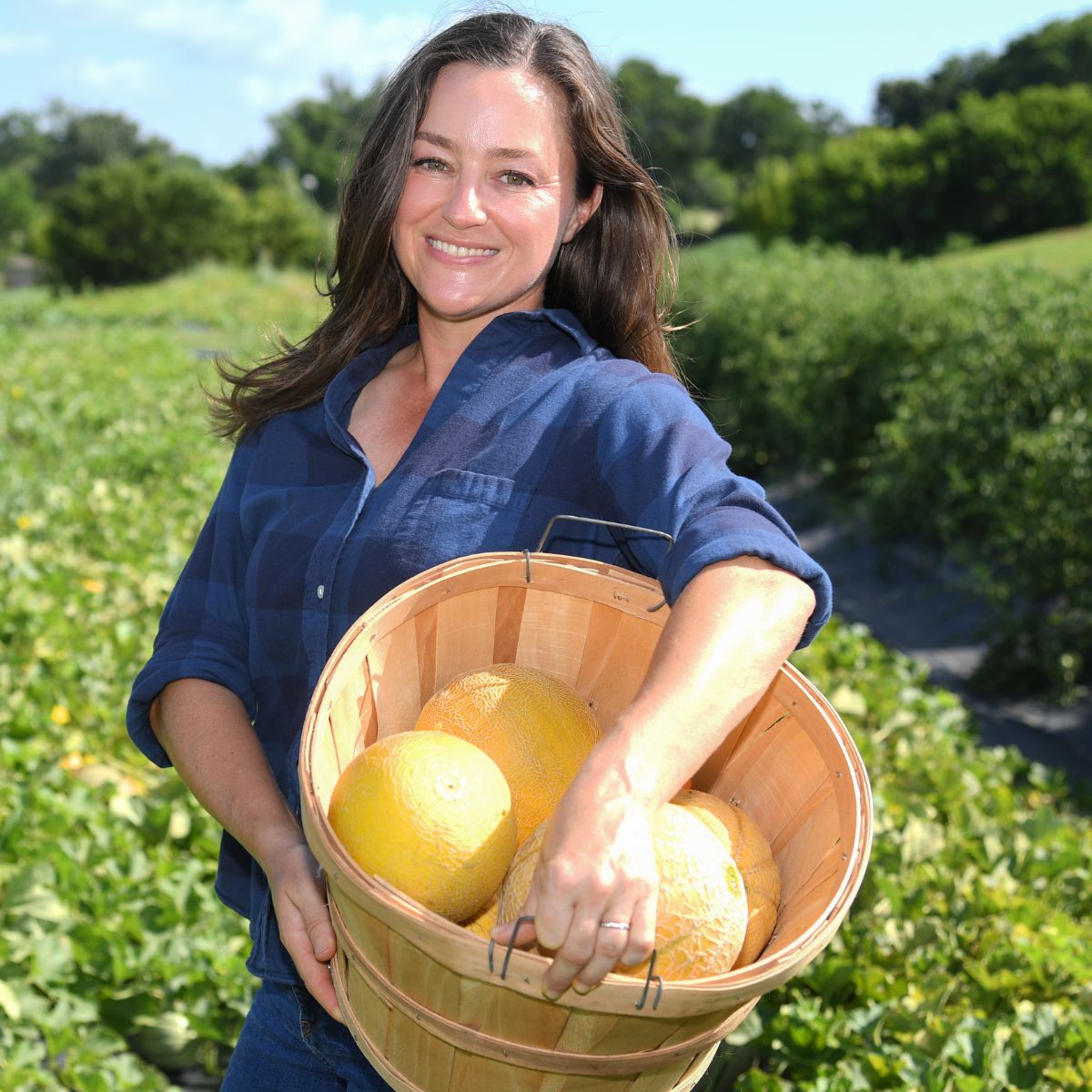
Megan Neubauer farms Pure Land Farm in McKinney, Texas: 100% pick-your-own organic fruit and vegetables, grown regeneratively by two people. She is the author of Pick-Your-Own Farming: Free Yourself from Farmers Markets and Join the Agritourism Revolution (Acres U.S.A.) and consults with farmers building u-picks of their own.
Watch the full workshop
Megan walks Ari through the pass tiers, the terms she puts in front of every buyer, her redemption numbers and the year-by-year path to a season pass that sells out.
👉 Watch Megan's workshop on growing your u-pick with season passes
Related Content
Get the story in your inbox every week.
Real success stories from working CSA and dairy farms–delivered every week (free).
Read by 5,000+ farmers every Friday