
Winter Is a Pause, Not a Cancellation
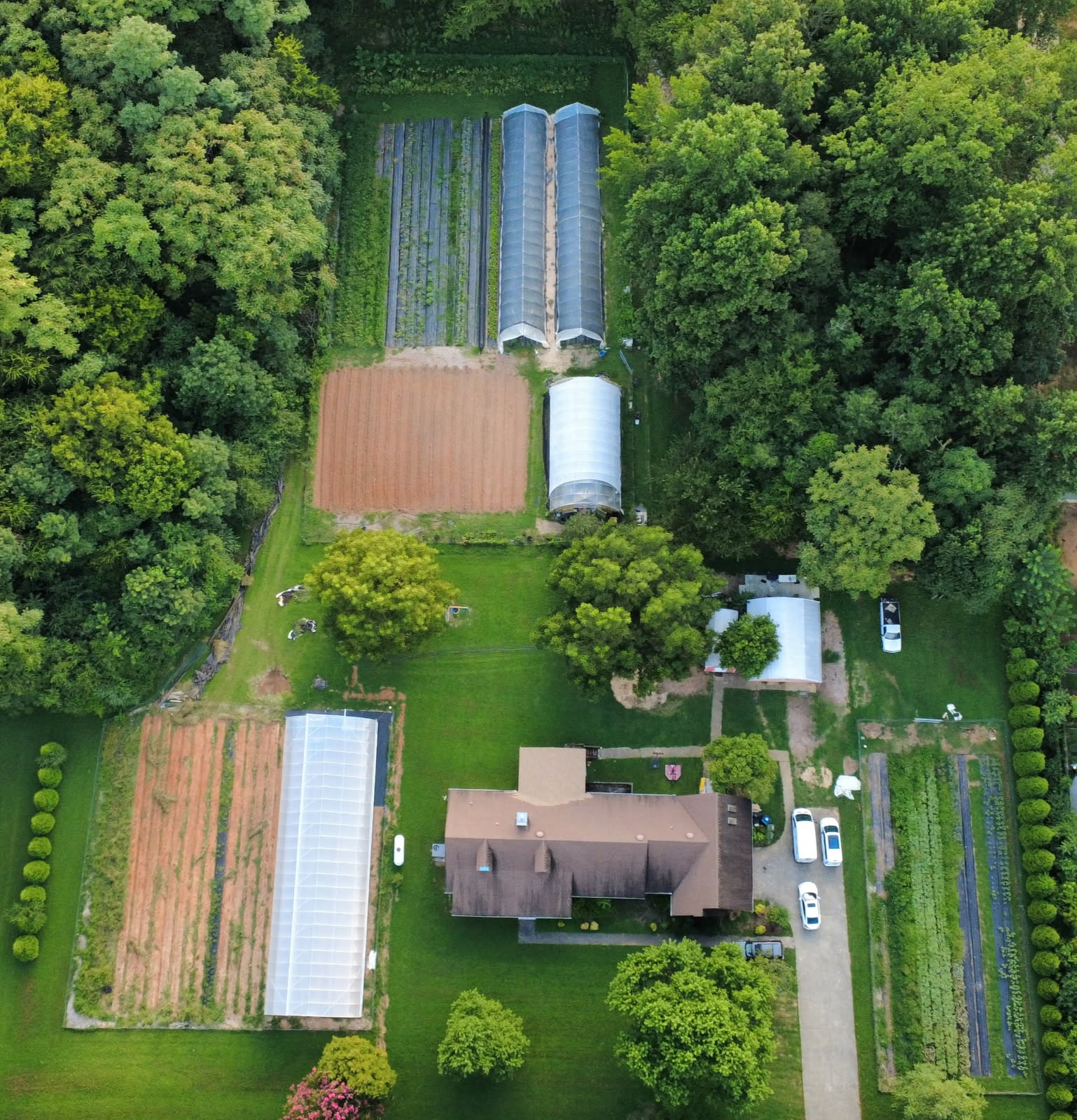
Ryan Reece farms Howling Fresh Farm in Huntsville, Alabama, with farm manager John and a small crew. For years, their CSA ended at Christmas and every member had to sign up again in the spring. Now it runs year-round with a short winter blackout, and nobody re-registers. We asked Ryan and John how that works. Here's Ryan, in his own words.
We've always run one long season. March through December, pretty much all the way to Christmas.
What we didn't have was a way to stop for winter without making everybody start over. Our members were on a subscription app, and I didn't think we had a way to pause them, so they had to sign back up every year. It was just way too much to manage.
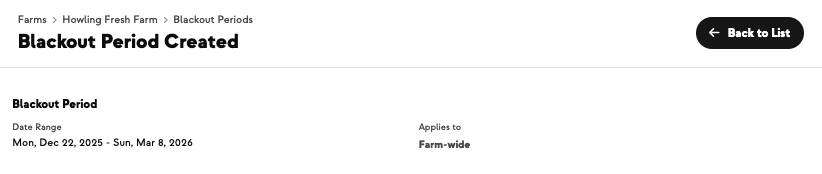
Now the CSA is year-round. We take a blackout over the worst of winter, every member gets paused instead of cancelled, and when we come back they're already in.
Grow what you can, then buy in the rest
Part of being in the Southeast is that we have a long growing season. We do have a winter: basically December, January and February, when it's tough to grow anything, even under protected culture.
So we decided to push the growing season as far into winter as we can. In the fall we grow as many root crops as we can, plus potatoes, and as many greens as possible going into December.
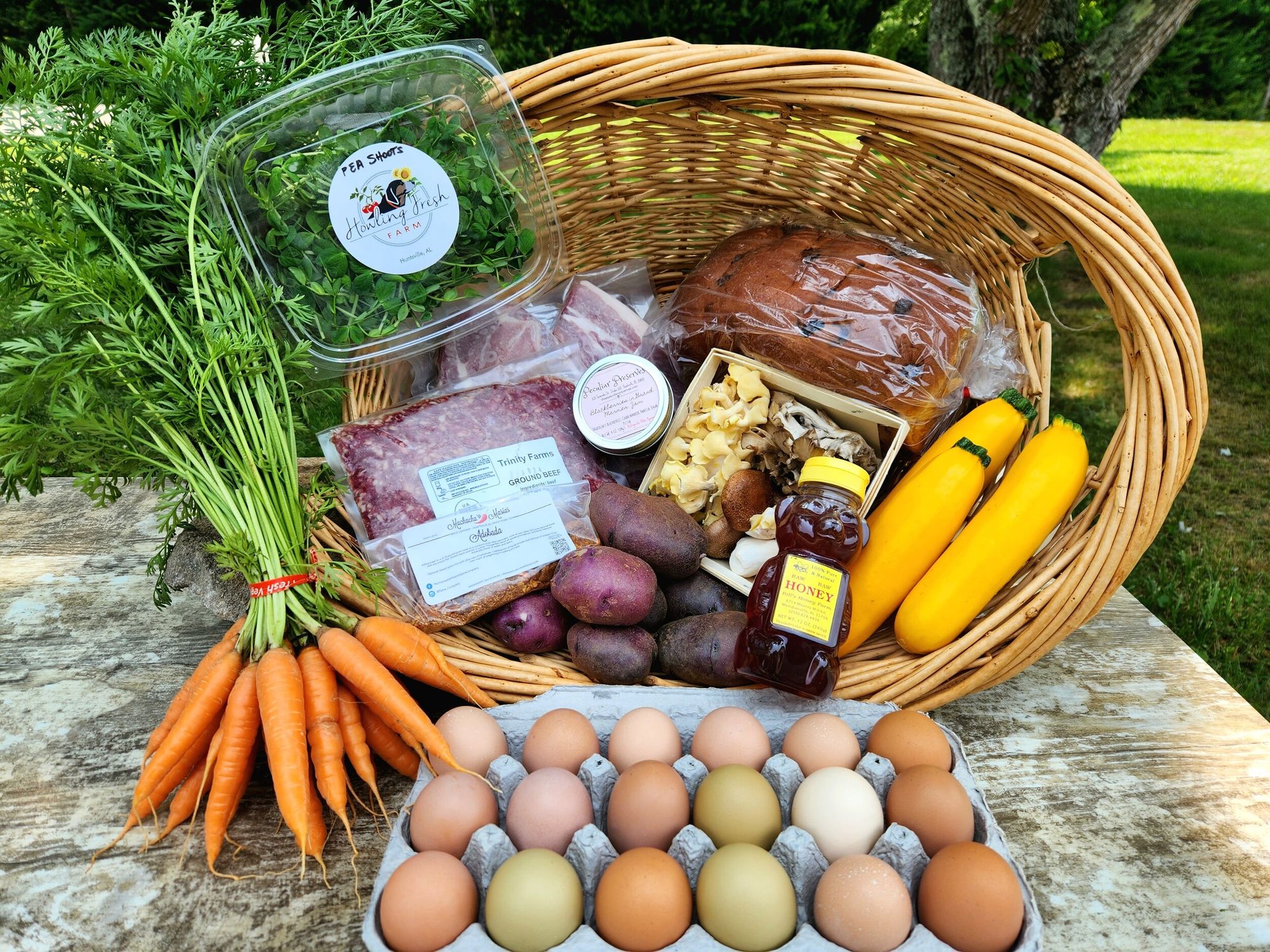
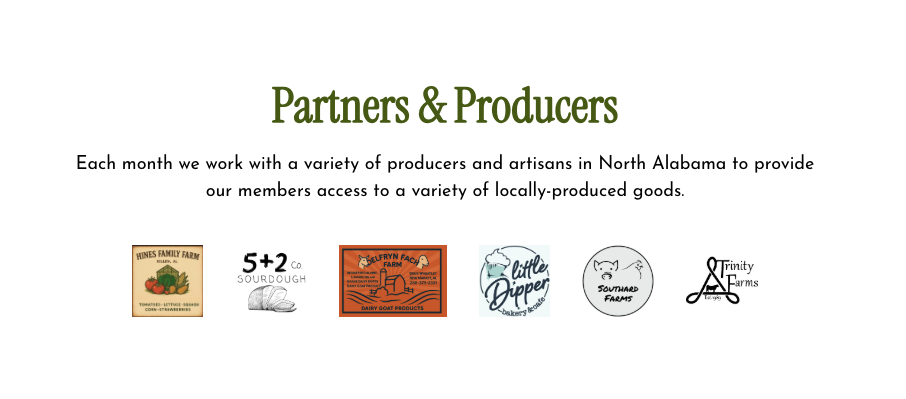
The other part is partnering with other farms. We buy fruit in, and we buy vegetables from other local growers, so we keep it local.
Shut down at Christmas, start back early
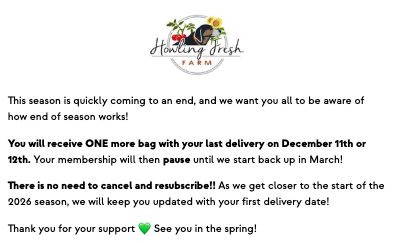
Right at Christmas we shut it down. We take a break, reset, recharge, and get ready for spring while things aren't growing well anyway.
By the time we come back there's enough daylight for things to start growing again, and we have root crops in storage, so we can start the CSA earlier. Then the greens come back up, the lettuce starts growing, and we go all season.
The blackout period means customers don't have to re-register. We just pause them.
Pause members through the blackout
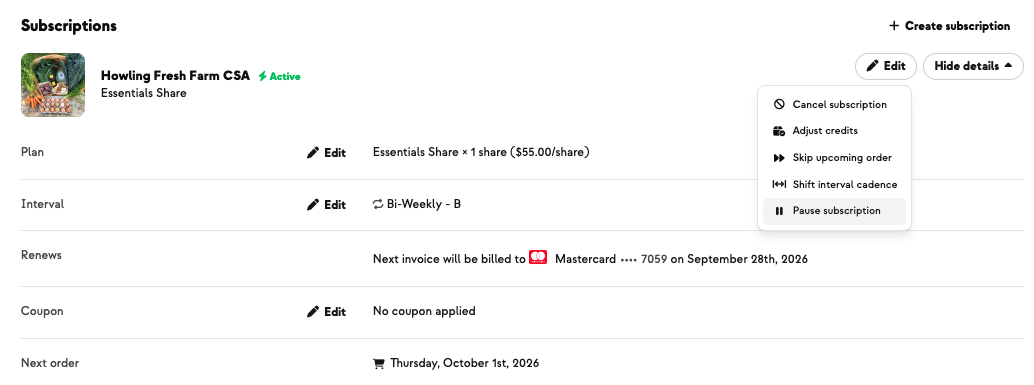
We really need the recurring revenue. We need the weekly. We can't stop for too long. We're trying to make this a sustainable business, and we still have bills to pay, so we're always looking for ways to extend the season and grow smarter.
Farmhand has really helped with managing the memberships. It's easy to pause everybody for the blackout instead of cancelling them all and having everybody sign back up in the spring. And when we need something changed, we text the team and it gets done.
Take the money as it comes
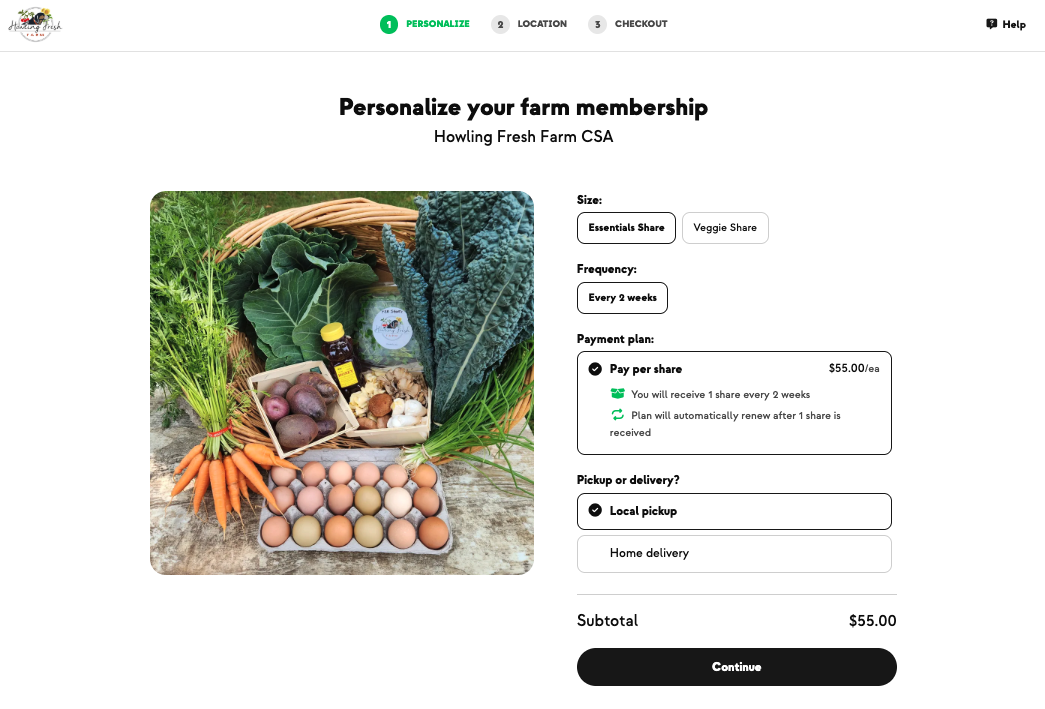
This was a big lesson for me. It's so enticing to take a full year's share up front. We needed the money. We needed seeds. We needed amendments.
It was a great idea until it went so quick. I put way too much into things we needed instead of holding some back, and payroll got tight. Maybe some people could manage it better than I did, but I can't run my finances that way.
So we moved away from the best-value, pay-for-it-all-at-once share. Members pay per share, they can skip when they want to, and the money comes in steadily. Weekly revenue is just easier to manage.
Run it every other week, in two groups
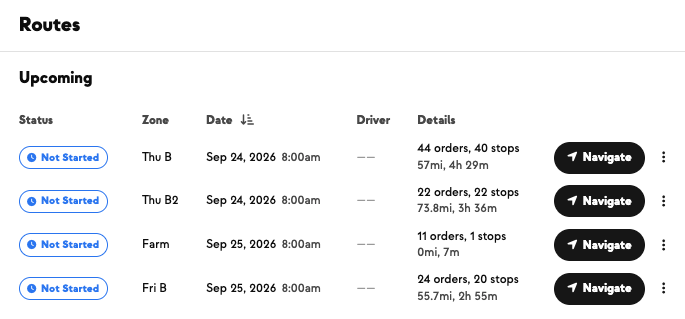
We deliver every other week, and members are split into two groups, A and B. Here's John, our farm manager, on why:
Every other week makes it manageable for three to five people, depending on who's around. It helps with crop planting and harvesting, and with what three people can actually handle from week to week. We couldn't keep up with the production for a weekly box for as many members as we have.
There's a benefit for customers too. It gives them a little extra time to get through everything. A box can have 18 eggs, a loaf of bread and a pound of meat in it. A small household might not go through all that in a week, and they might not want to.
We target seven to nine veggies and fruits in every box, and each share has a set value that stays the same. That keeps it consistent. It's one more thing members can look forward to and know isn't going to change.
Make staying the easy choice
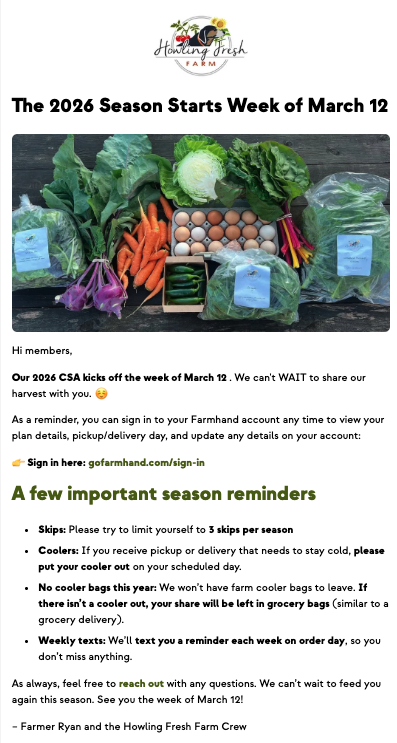
The trick is to make it as easy as possible for the customer. Once it gets confusing and they have to think about schedules, it's one more thing you have to convince them to do.
So we ask: what's going to be less work for them? What keeps them from having to stop what they're doing and go sign up again? With a pause, they already know they're set. If they don't want it anymore, then they have to do something.
People will still come and go. Some just want to try it and see what it's about, and you can't get too caught up in that. It averages out. We recently had a week where a couple of people cancelled, and that same week we did a dinner and got ten signups. We lose two, we get ten. We lose four, we get three. We know we'll have maybe ten to fifteen skips on a given week, so we plan for it.
Mostly we just try to make every box awesome. We go over the menu every week and ask ourselves: is this enough food for my family for a week, or even two?
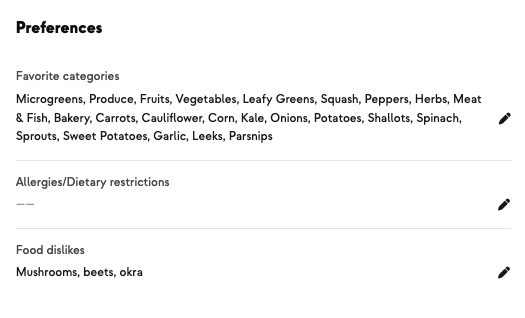
The other thing we changed this year was dislikes. We always substituted for allergies, but we were never flexible on dislikes. Then we noticed a trend of people cancelling because they didn't like certain items, or they were getting too much of one thing. Now members go into Farmhand, tell us what they don't like, and we swap in something else. That's been huge for retention.
Take the break, then shrink it
The break is a quality-of-life thing too. We work so hard week in and week out, and we'll burn out if we don't take some kind of break. That's part of keeping everybody happy, even me, as the owner.
This past season the blackout was pretty much two months. We're trying to get it down to one. A month is enough to feel recharged. Then it's back to business.
Whatever is easier from a customer perspective is probably easier and best for us too. If they're happy, we're happy.
What I'd tell another farm
Don't overcomplicate it. Come up with a good crop plan and have enough variety. Here's what's worked for us:
- Pause members, don't cancel them. Nobody should have to re-register after the break. Pause everyone, and they're back in when you restart.
- Stretch the season on both ends. Root crops, potatoes and greens carry you into December. Storage crops let you start earlier in spring.
- Fill the gaps with local farms. Buying in fruit and vegetables from growers nearby keeps the box full and keeps it local.
- Charge per share, not per year. Upfront money goes fast. Steady revenue is easier to run a farm on, and members can skip when they need to.
- Go every other week if weekly is more than your crew can grow and pack. Two delivery groups keep production at a size a small team can handle.
- Keep the box consistent. Seven to nine items at the same value, every time.
- Let members swap out what they don't like. We were losing members over it.
- Plan for skips and cancellations. They average out. Keep advertising and keep the box great.
- Take the break, then work it down. We're working ours down from two months to one.
— Ryan Reece, Howling Fresh Farm
Ryan Reece runs Howling Fresh Farm in Huntsville, Alabama, growing vegetables since 2020 and delivering an every-other-week CSA across Madison, Harvest, Huntsville, Hazel Green and Owens Crossroads, with farm pickup, Porch Partner sites and home delivery.
Related Content
Get the story in your inbox every week.
Real success stories from working CSA and dairy farms–delivered every week (free).
Read by 5,000+ farmers every Friday