More playbooks
All playbooksThe Friday playbook
One story a week from a working farm.
Read by 5,000+ farmers every Friday. No product pitch.
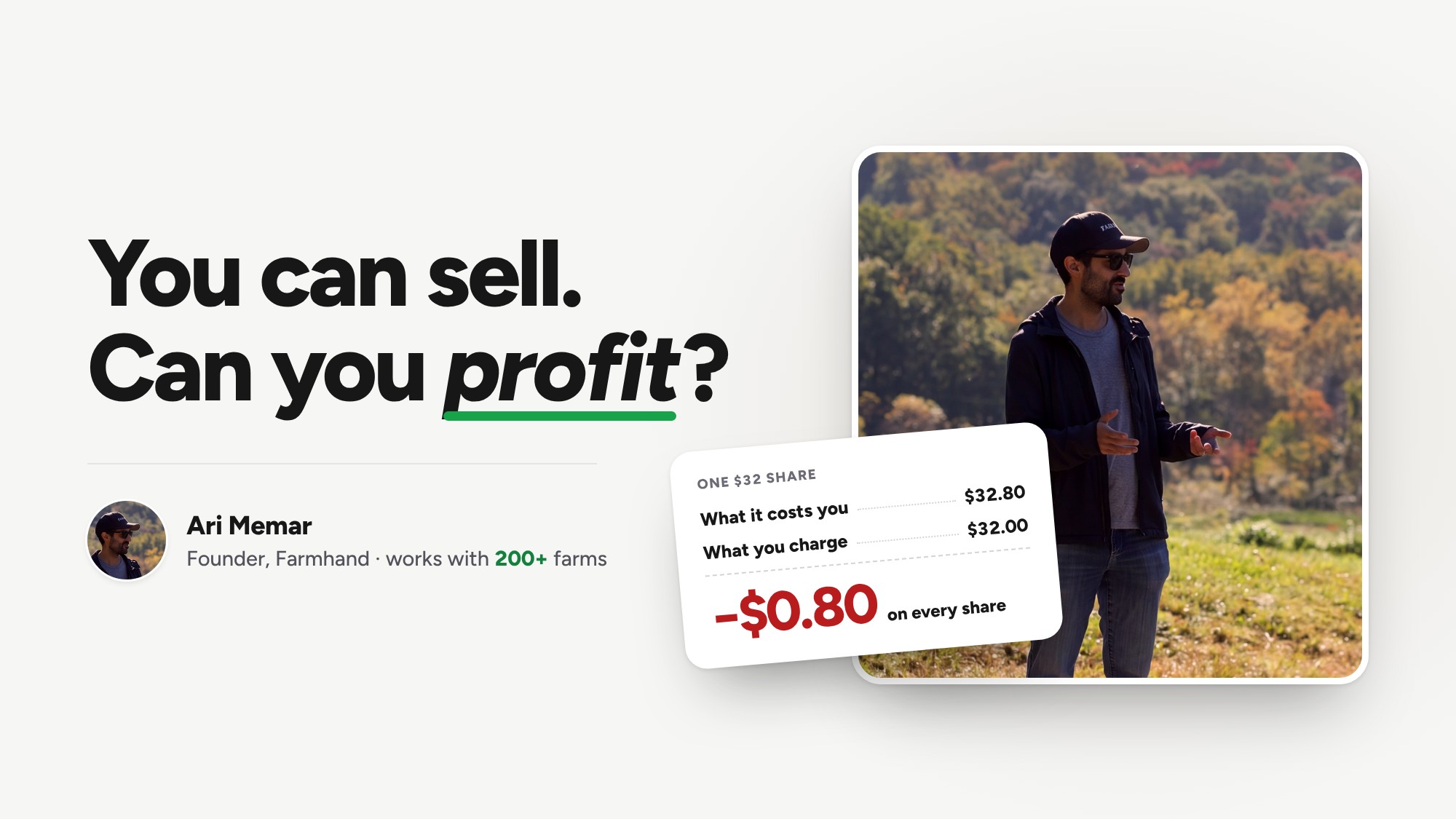
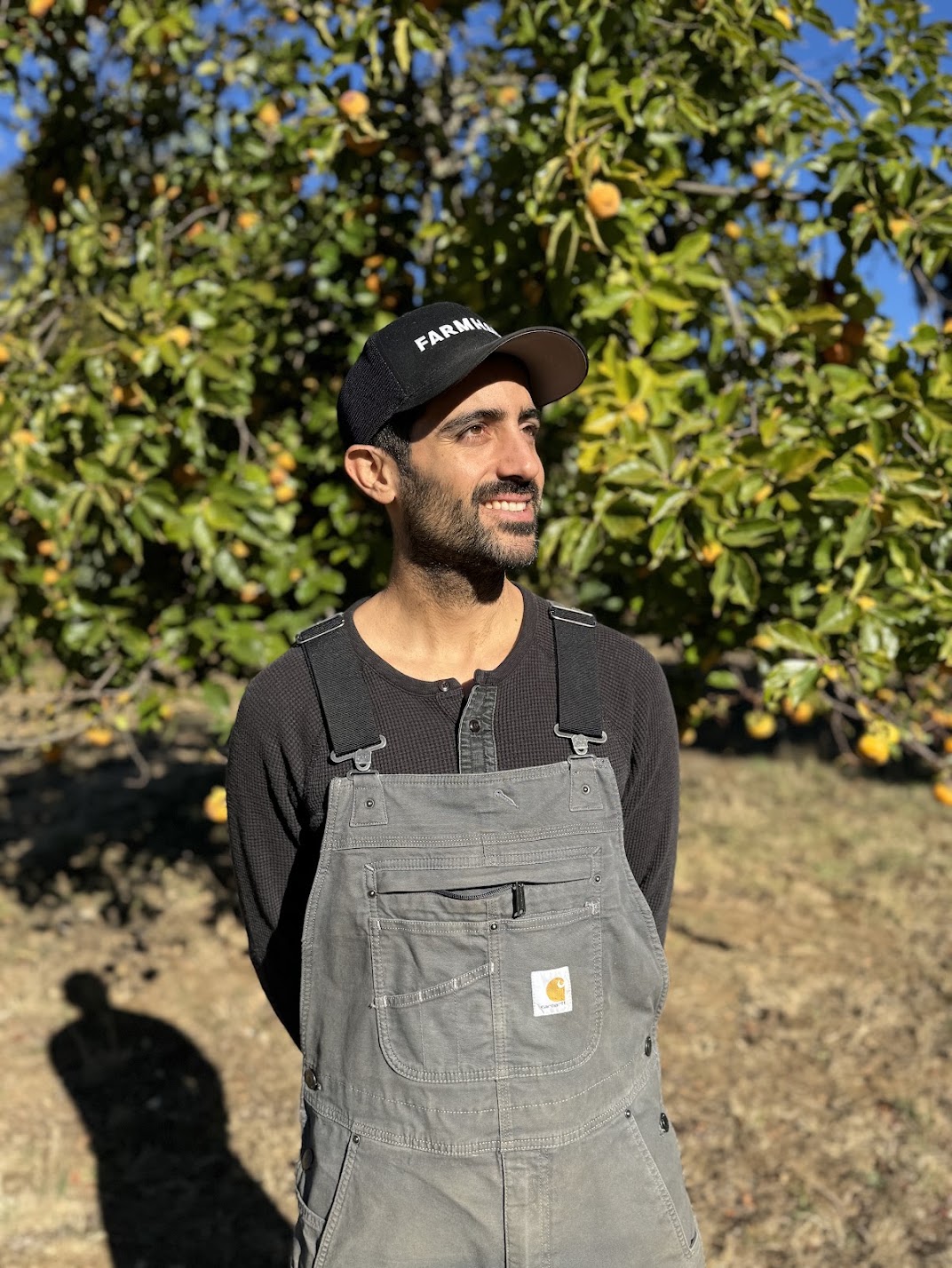
Ari Memar is Farmhand's founder. We asked him why selling more isn't the same as making money, and what a farm can do about it. Here's Ari, in his own words.
For two years, most of what we've published has been about selling. Open a pickup site. Run a flash sale. Put on an event. Get the farm on Nextdoor. Farmers took that advice, and plenty of them sold more than they ever had.
This fall, the calls sound different.
A farmer told me he'd finally hired a bookkeeper. The first thing she showed him was that his farm store and his events hadn't made a dime. Busy every weekend, and nothing to show for it.
He isn't careless. He's a good farmer running a real business. He just never had a way to see it.
Selling and making money are two different jobs. Most farms only have a system for the first one.
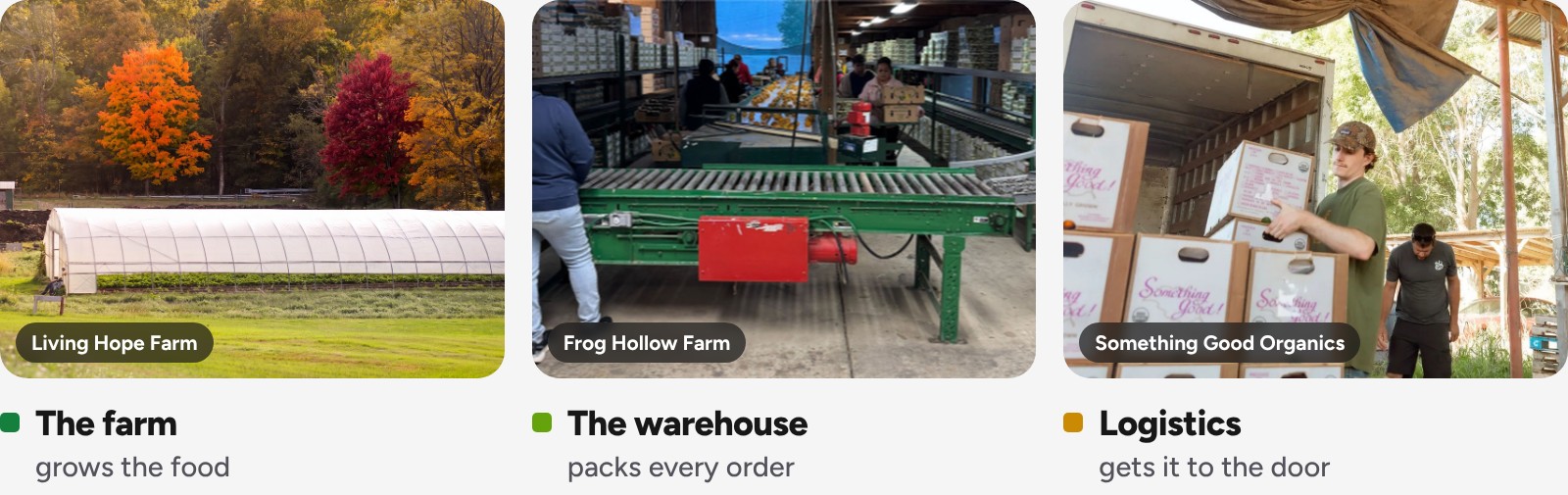
Here's how I've come to think about it. Almost every farm I visit is running up to three businesses at once, and each one has a single job:
Then there's the office that runs all three: billing, email, insurance, software.
Almost every farm runs the first two. Most run all three. And most farms set their price against the first one. The box that never comes back, the hours at the packing table, the miles on a truck you'll have to replace: those get absorbed. Nobody adds them up, so nobody charges for them.
The biggest one is you.
Most farmers price as if their own hours are free. They aren't. If you got hurt tomorrow, you'd have to pay someone to do your job, and that person wouldn't work for nothing.
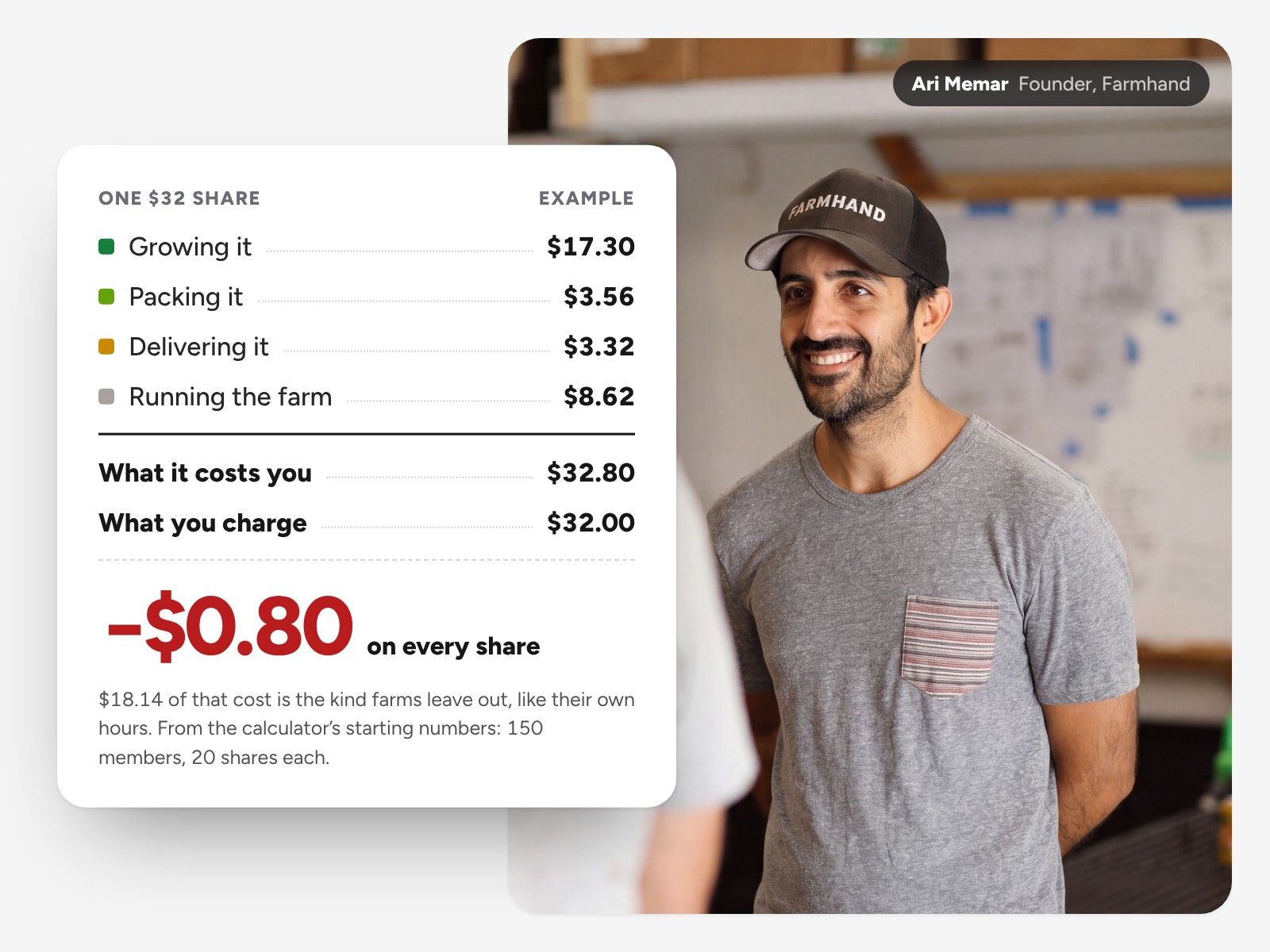
We built a calculator around this, and its starting numbers make the point. Take a CSA with 150 members, 20 shares each, at $32 a share. Count everything, including the farmer's hours at a fair rate, and each share costs $32.80 to grow, pack, deliver and run.
That farm loses 80 cents on every share. Over a year, that's $2,387 gone after the farmer is paid.
More than $18 of that $32.80 is the kind of cost farms tend to leave out, like their own time.
Nothing about that farm looks broken from the outside. The members are happy. The boxes go out every week. It just doesn't pay.
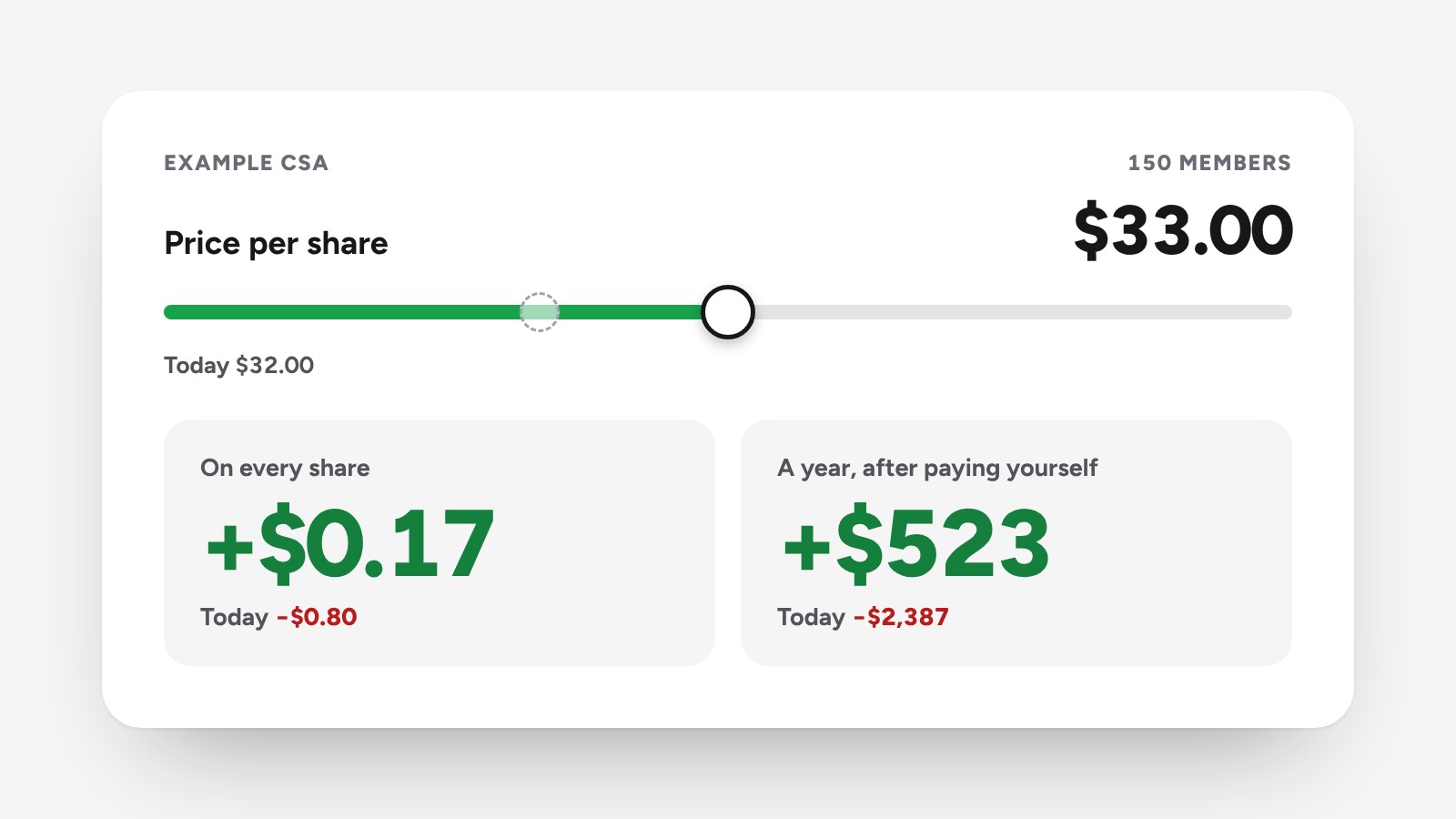
Here's the part that surprises people. On that same farm, one more dollar a share turns a $2,387 loss into a $523 profit. So do 10 more members, because they spread costs the farm already pays: the truck, the cooler, the office.
That's not a business overhaul. It's a decision.
I have yet to see a price increase that has had a negative effect on the business.
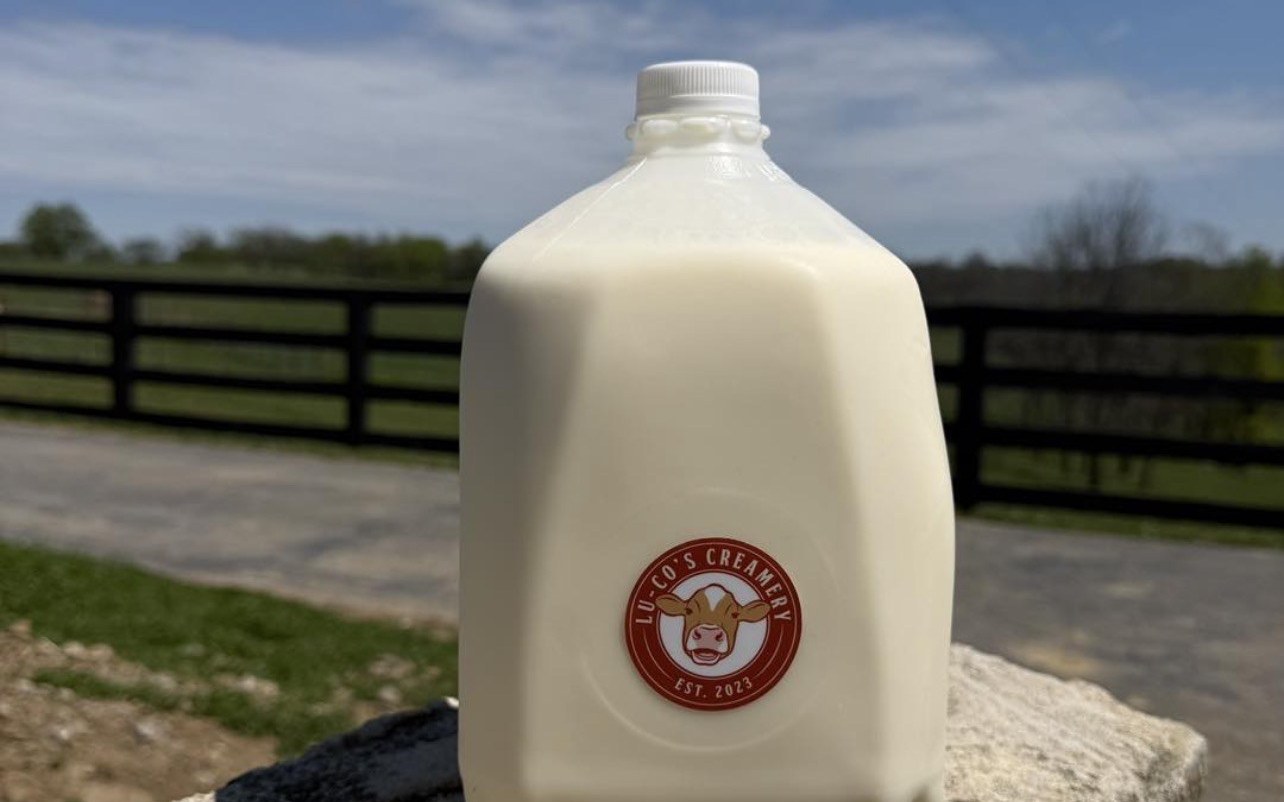
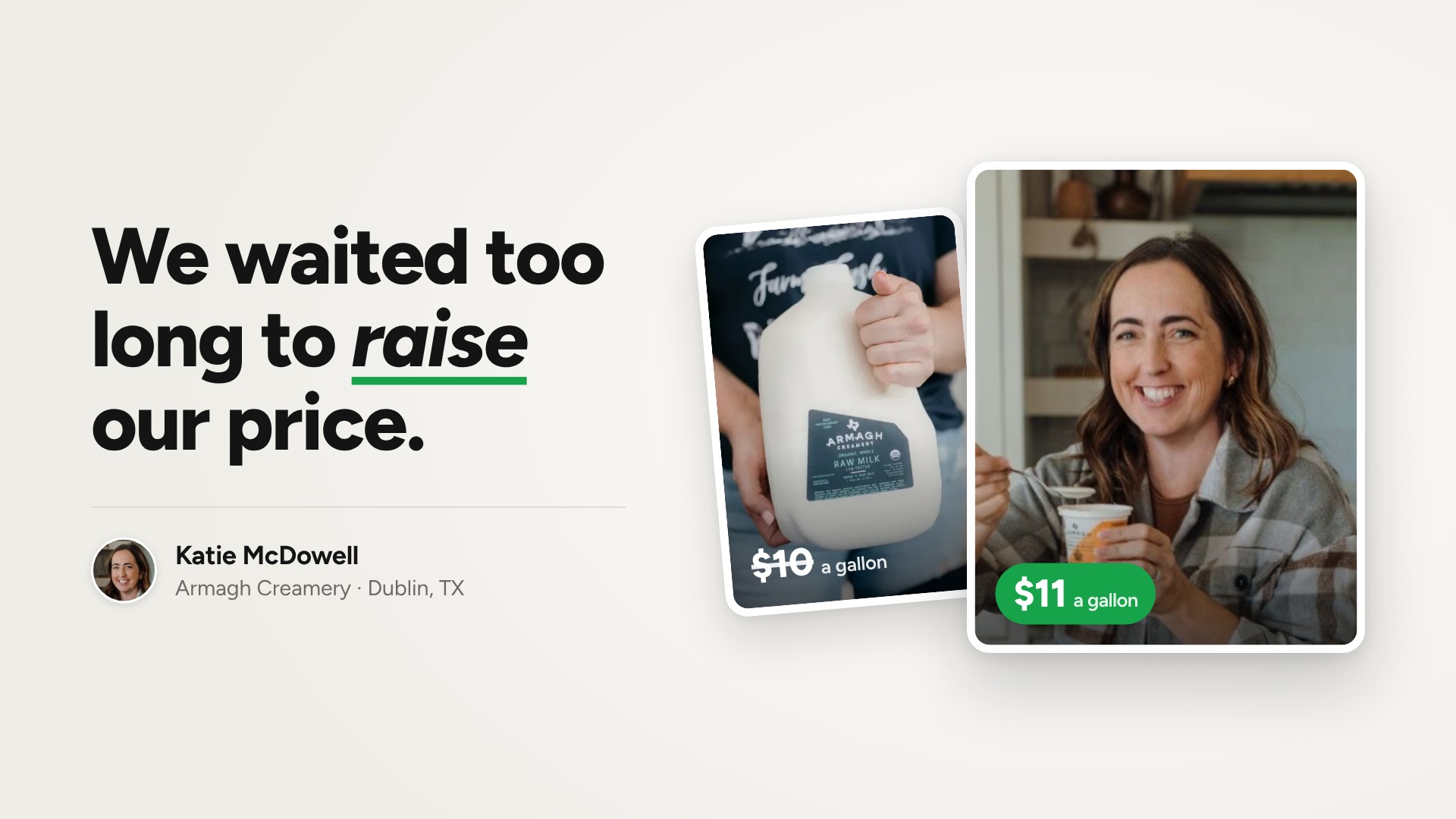
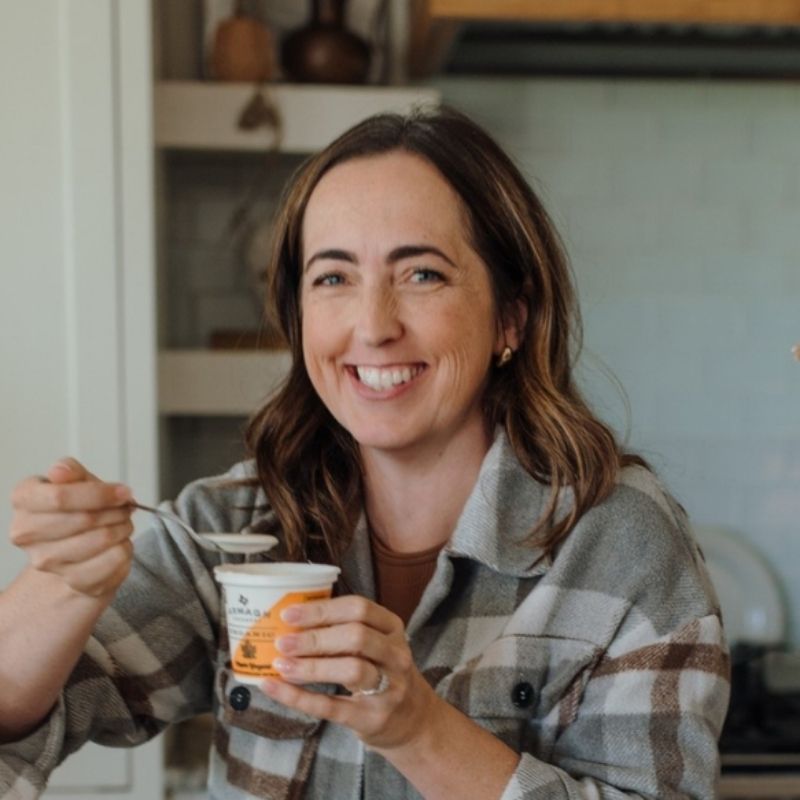
I say that a lot, and farmers rarely believe me. Katie McDowell at Armagh Creamery held her price for three years while feed and packaging climbed. When she finally raised it by a dollar, she lost a handful of members, mostly ones who skipped often anyway. Her advice to other farms is simple: don't wait as long as she did.
One more thing about selling more. More members only help if each share covers its own packing and delivery. If it doesn't, every new member adds to the loss. That's why the price comes first.
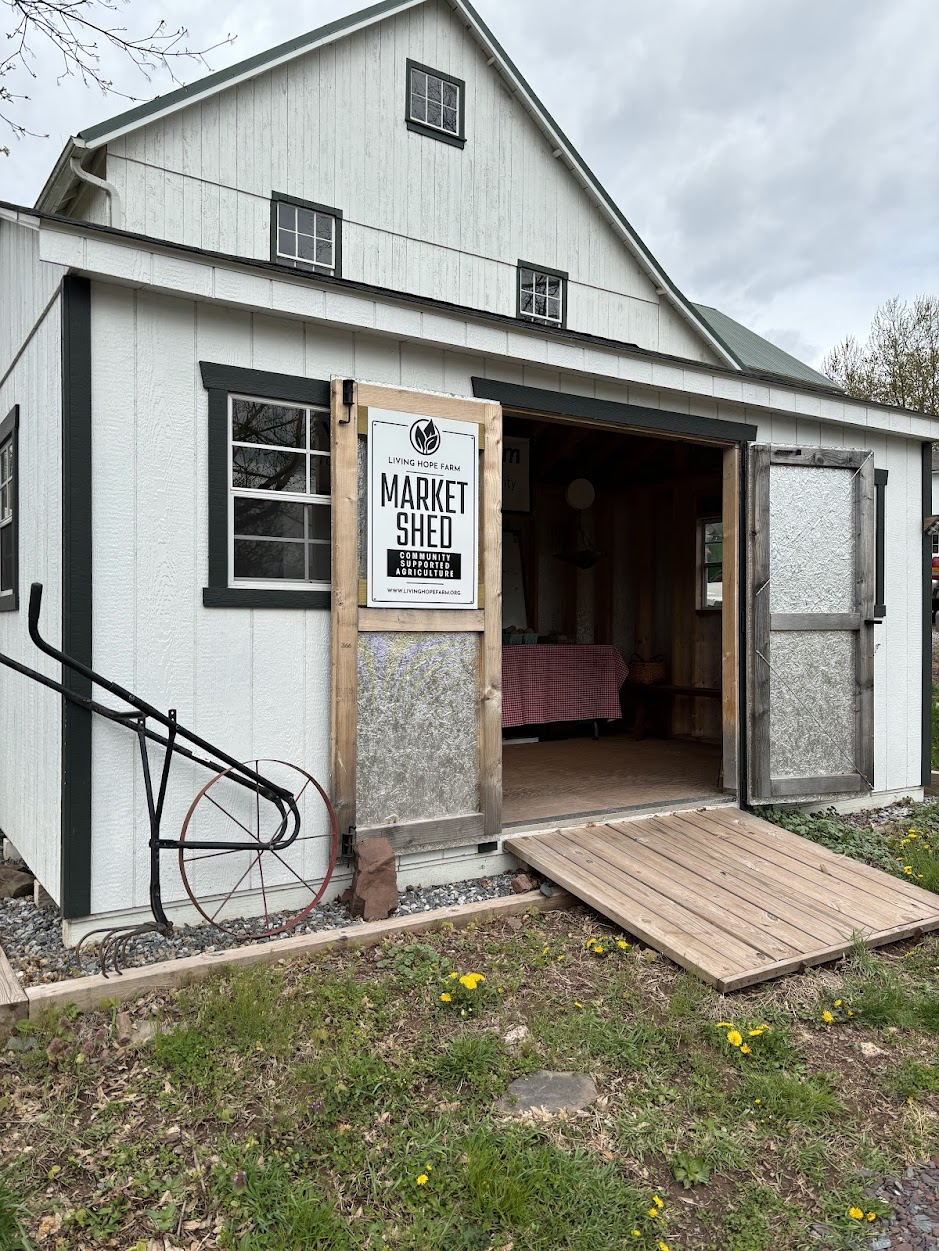
None of this is a case against events or farm stores. Curtis Millsap's pizza nights pay, because he built them to collect customers: 250 guests a night and 6,000 contacts on his list, without spending on ads. The farm store I mentioned didn't pay. The difference isn't the channel. It's knowing what each one costs and what it earns.
The best new channels ride on costs you already pay. A one-time pre-order picked up with the CSA uses the same pack day, the same pickup site and the same email list. A new farmers market adds a whole new day of costs.
So add channels on purpose. Run them in one place. And know what each one costs.
Most farms I work with keep their sales in one tool, their books in QuickBooks, a POS at the market, and their costs in a shoebox and their own head. Nobody sees the whole picture until the bookkeeper or the tax return shows it, once a year, when it's too late to change the season.
That's the real cost of a piecemeal setup. Each tool works fine on its own. Together, they hide the one number that matters.
Farmhand runs the selling side: subscriptions, the online shop and pre-orders, events, member emails and texts, and fulfillment. For the profit side, our team works it out with you. We pull your sales from QuickBooks, your POS and your other tools, build your margin profile with you, and help you decide what to change first. You keep the tools you have. We make them add up.
Coming soon
We're building a POS and wholesale ordering into Farmhand, so every channel you sell through can live in one place. We're also bringing on bookkeeping experts who can help you see your P&L every month, so you can make changes while the season is still running.

The calculator takes two minutes. Typical numbers are filled in, so you only change what you know. It shows whether you make or lose money on every sale with your time counted, and what a price change or a few more members would do.
If you want to go further, book a call with me. We don't have a sales team. Every call is with me, and we'll look at your real numbers together.
Over the next few weeks, the rest of this series lands on the Pricing Power page, updated every Friday.
You already know how to sell. Let's make sure it pays.
— Ari, Founder, Farmhand
 Nate BeaulacPrairie Creek FarmsKellyville, OKSocial · TikTokSocial
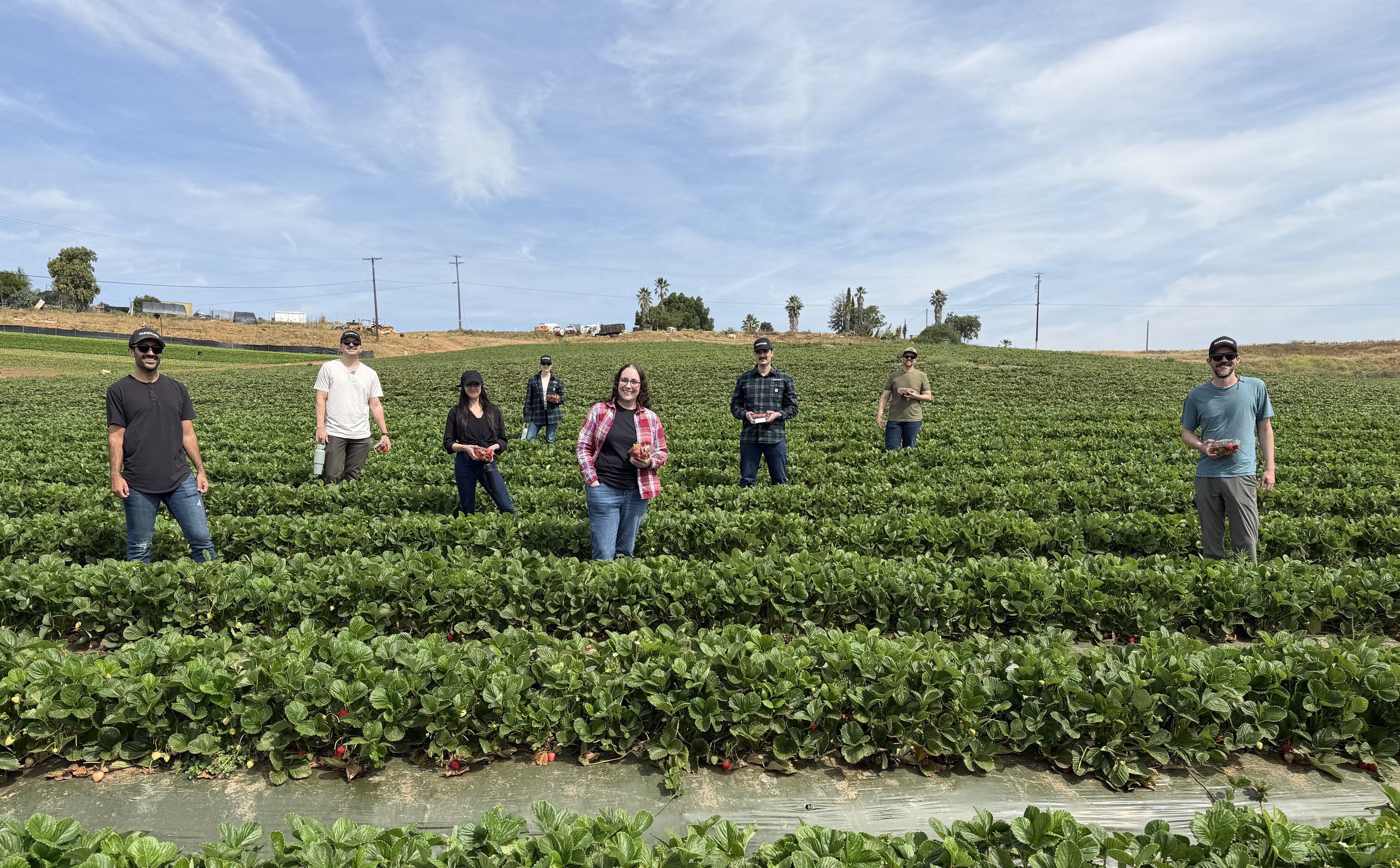
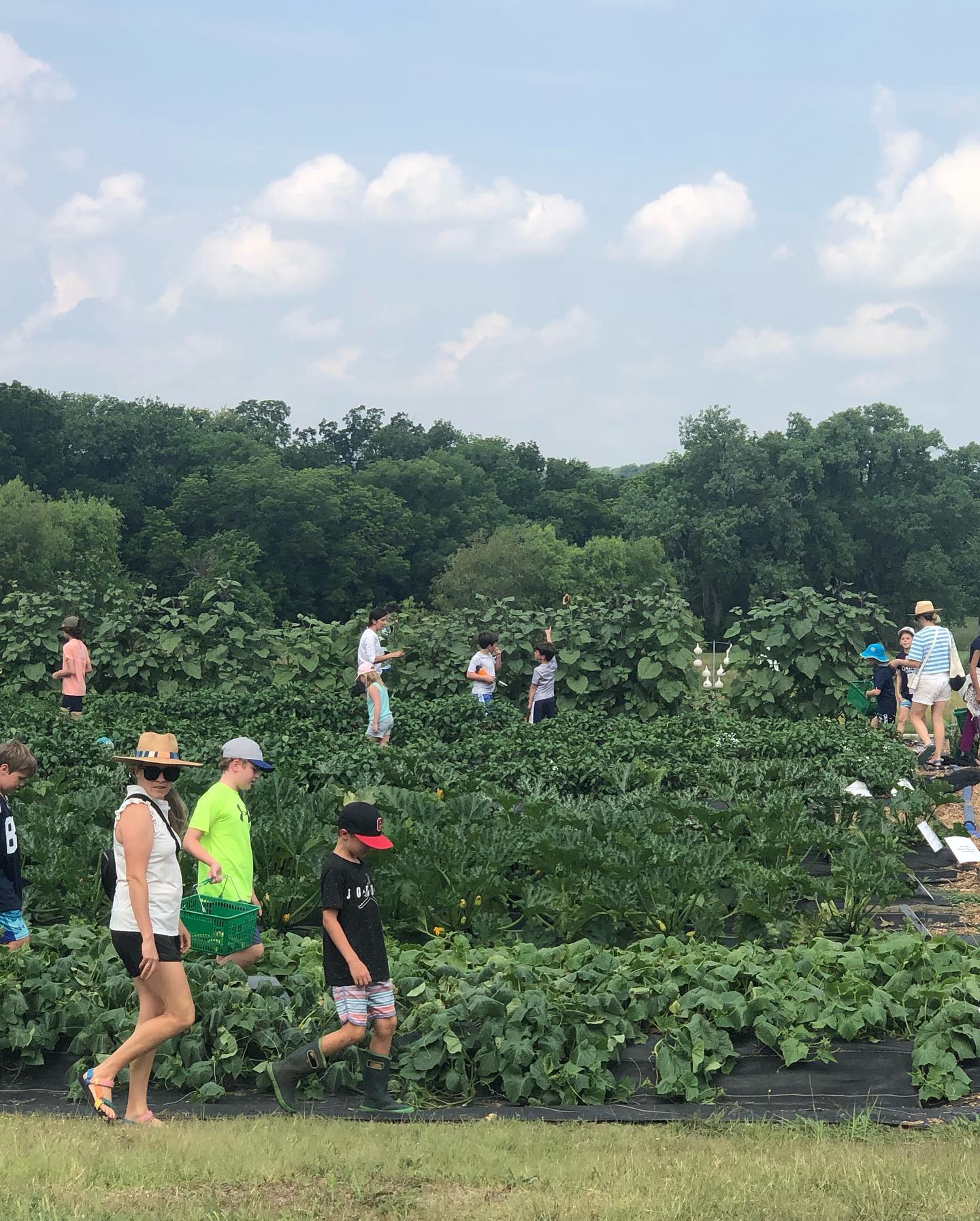 Megan NeubauerPure Land FarmMcKinney, TXEvents · U-pickEvents

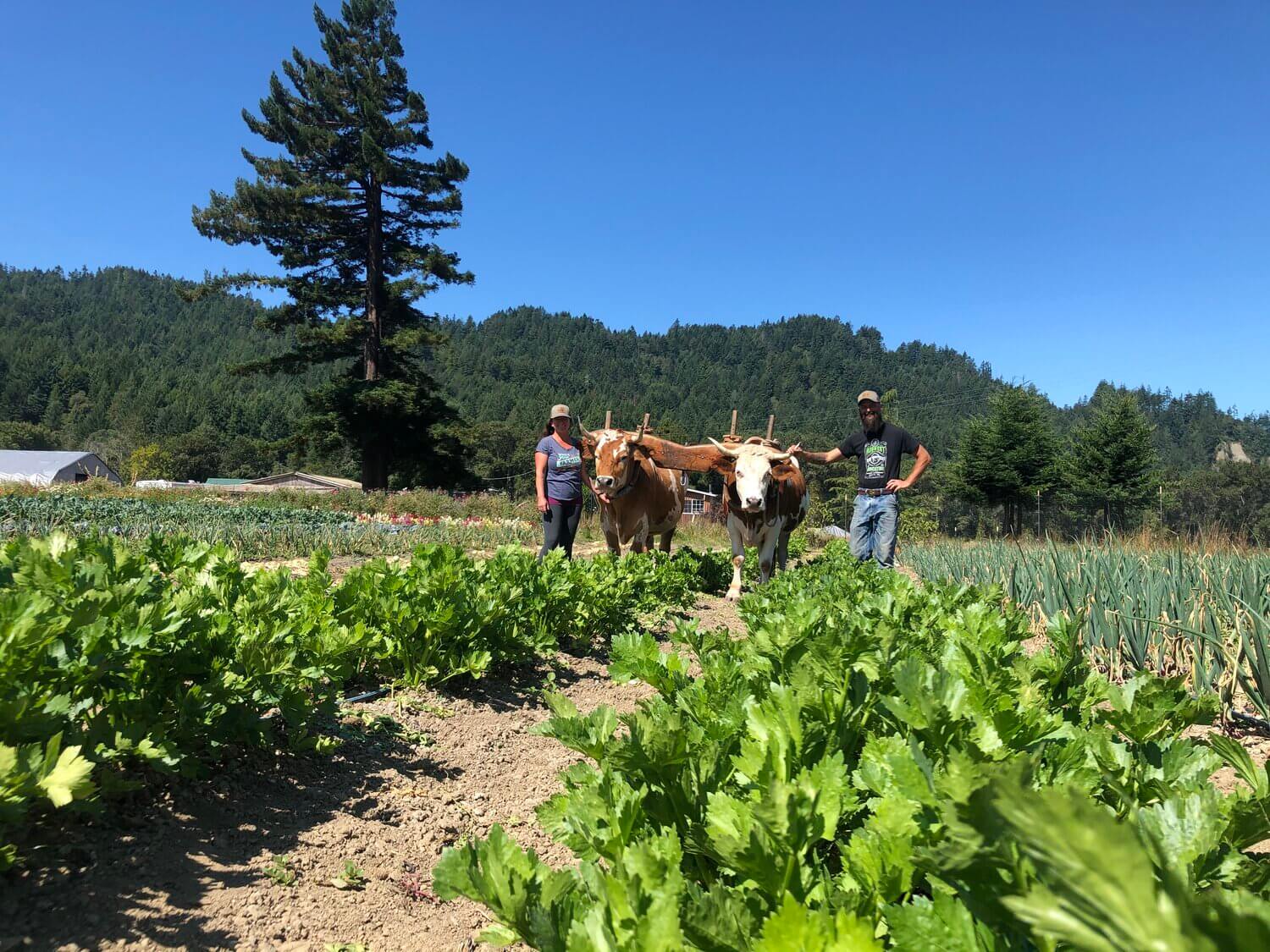








 Katie McDowellArmagh CreameryDublin, TXDairy · PricingDairy


 From Ari